
There are a few things that change the mood in a home quite like a fireplace. Whether it is an old-fashioned masonry hearth with a crackling log fire, or a contemporary electric model that can be switched on at the touch of a button, fireplaces have moved well beyond their practical origins.
However, not every fireplace works in every home. Fuel type, ventilation, installation, heat output, maintenance, and the architecture of the room all need to be taken into consideration. And for South African homeowners, these aren't just theoretical choices: local specialists currently offer wood, gas, electric and bioethanol models, including freestanding, built-in, suspended and double-sided designs.

Before choosing one, decide what matters most: heat, atmosphere, convenience, or architecture.
That one decision will quickly narrow the field.
1. Traditional open wood-burning fireplaces
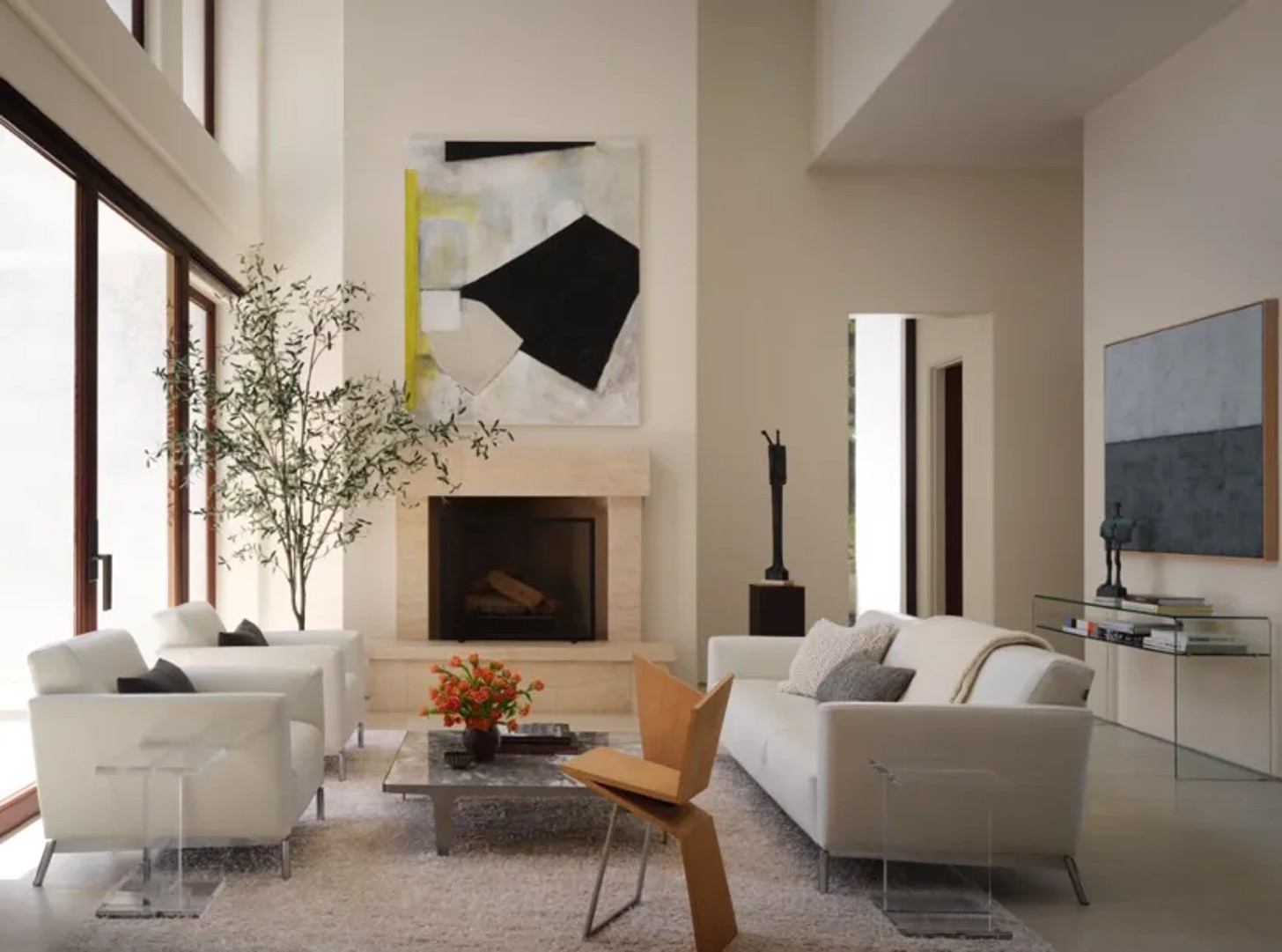
This is the fireplace most of us picture first: a generous opening, a basket of logs, and the smell and sound of a real wood fire.
Usually constructed from brick, stone or another heat-resistant masonry, traditional fireplaces can be built into a home from scratch or incorporated into an existing chimney structure. They have an architectural presence and work especially well in period properties, country homes, and interiors where the fireplace itself is intended to feel like a sculptural element.
The catch is efficiency. An open fireplace is primarily an atmospheric feature, because for many homeowners, the habit of lighting a real fire is precisely the point.
Best for: Character, period homes, and the romance of a real fire.
2. Closed-combustion wood fireplaces and inserts
If your home already has an open fireplace but you want to get more heat from it, a fireplace insert is worth considering.
An insert is essentially a self-contained wood-burning appliance designed to sit within an existing fireplace opening. Closed-combustion models can also be built into a new wall. Instead of allowing most of the heat to disappear up the chimney, the enclosed firebox is designed to extract more useful heat from the fire.
Visually, they can also be quite attractive. Contemporary versions can have large panes of glass, clean-lined frames, and a more architectural appearance than the traditional open hearth.
Best for: Existing fireplaces where improved heating performance is more important than maintaining a completely open fire.
Consider: The condition and dimensions of the existing fireplace or chimney, the flue route and professional installation.
3. Freestanding wood-burning stoves
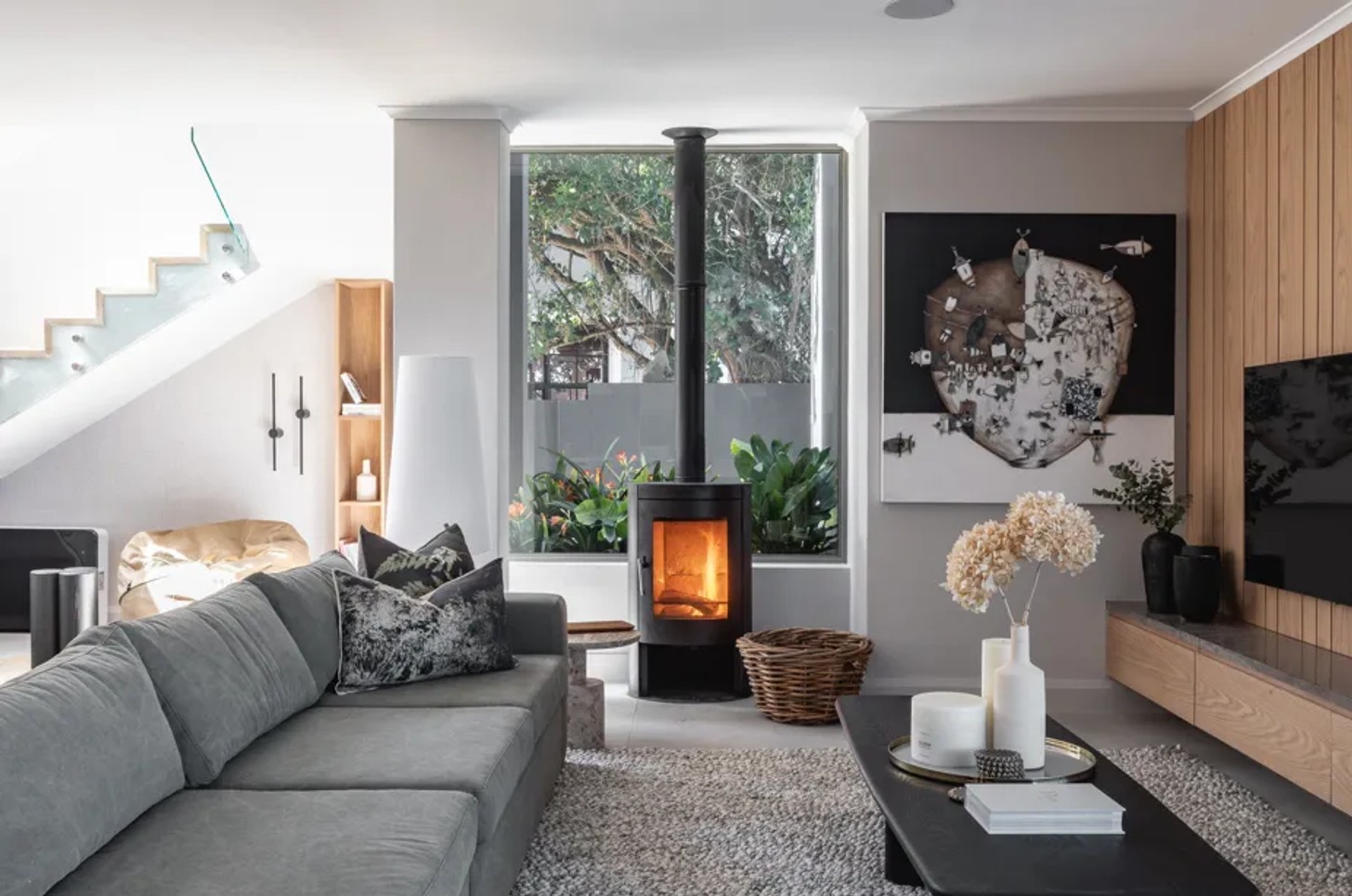
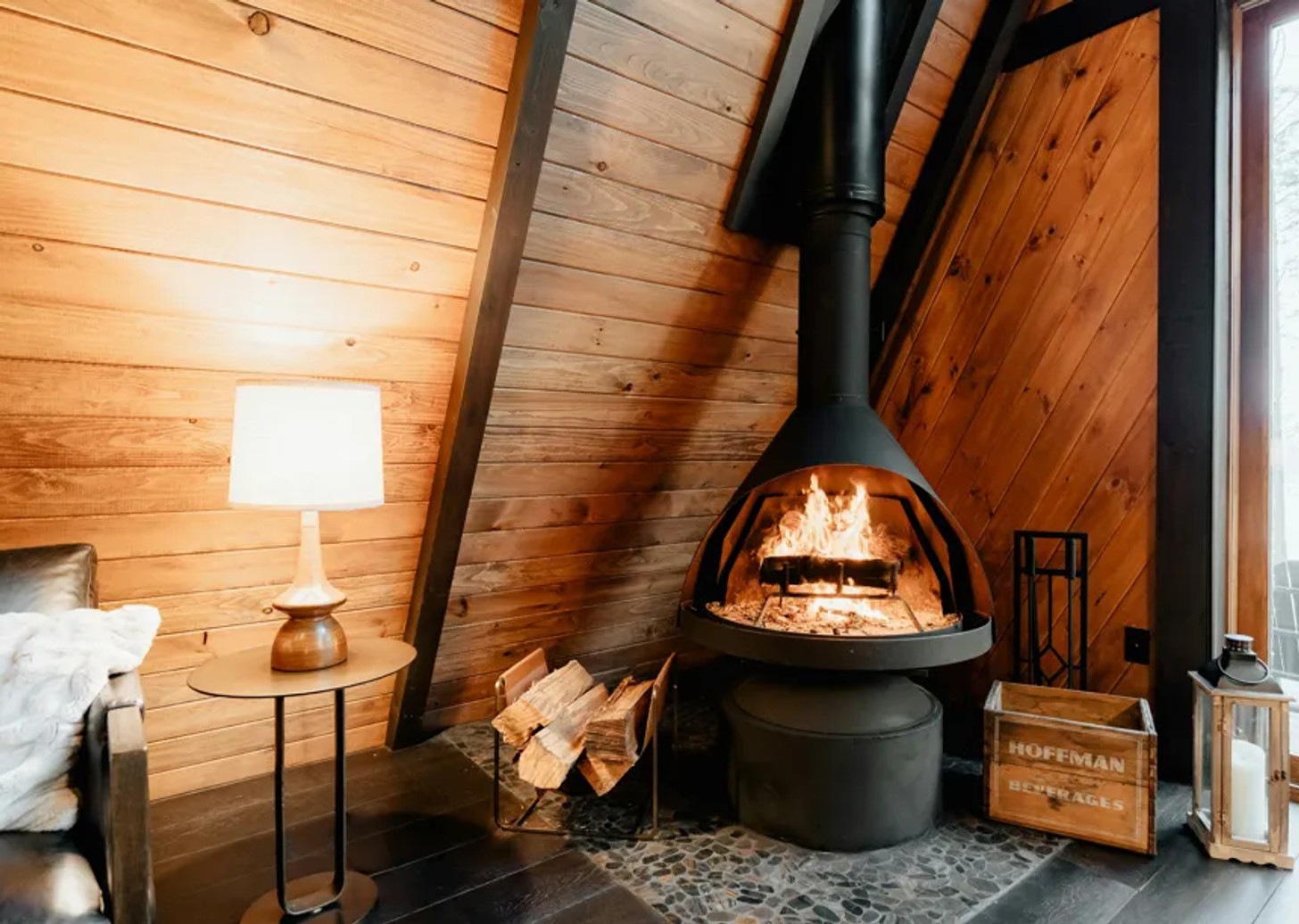
Made predominantly from steel or cast iron, wood-burning stoves are enclosed appliances that burn logs inside a controlled firebox. They can provide substantially more useful heat than an open fireplace, making them suited to colder homes or rooms where heating is a priority.
Design-wise, they have come a long way from the utilitarian black stove. There are now sculptural, minimalist, and almost furniture-like versions that can sit comfortably within a contemporary interior.
They do, however, require a suitable grip and careful positioning, so they are not a casual addition to a room. Think about where the wood will be stored, too: a beautiful stove quickly loses its appeal if every fire means carrying logs through the house.
Best for: Serious supplementary heating with a strong architectural view.
Consider: Pipe installation, clearances from combustible materials, suitable flooring, and the storage of dry wood.
4. Gas fireplaces
Gas fireplaces are where convenience starts to win.
They provide a real flame without the need to chop, carry and store firewood, and many contemporary models can be switched on almost instantly. Depending on the model, gas fireplaces can be designed as inserts for existing fireplaces or installed as purpose-built units.
Gas models vary significantly in efficiency and installation requirements. Vented models may use an existing chimney or a dedicated shaft, while some systems are designed for direct venting through an external wall or roof.
Best for: Homeowners who want a good flame with less maintenance than wood.
Consider: Gas supply, ventilation, chimney requirements, and professional installation.
5. Built-in gas fireplaces
An architectural variation of the gas fireplace is the built-in model.
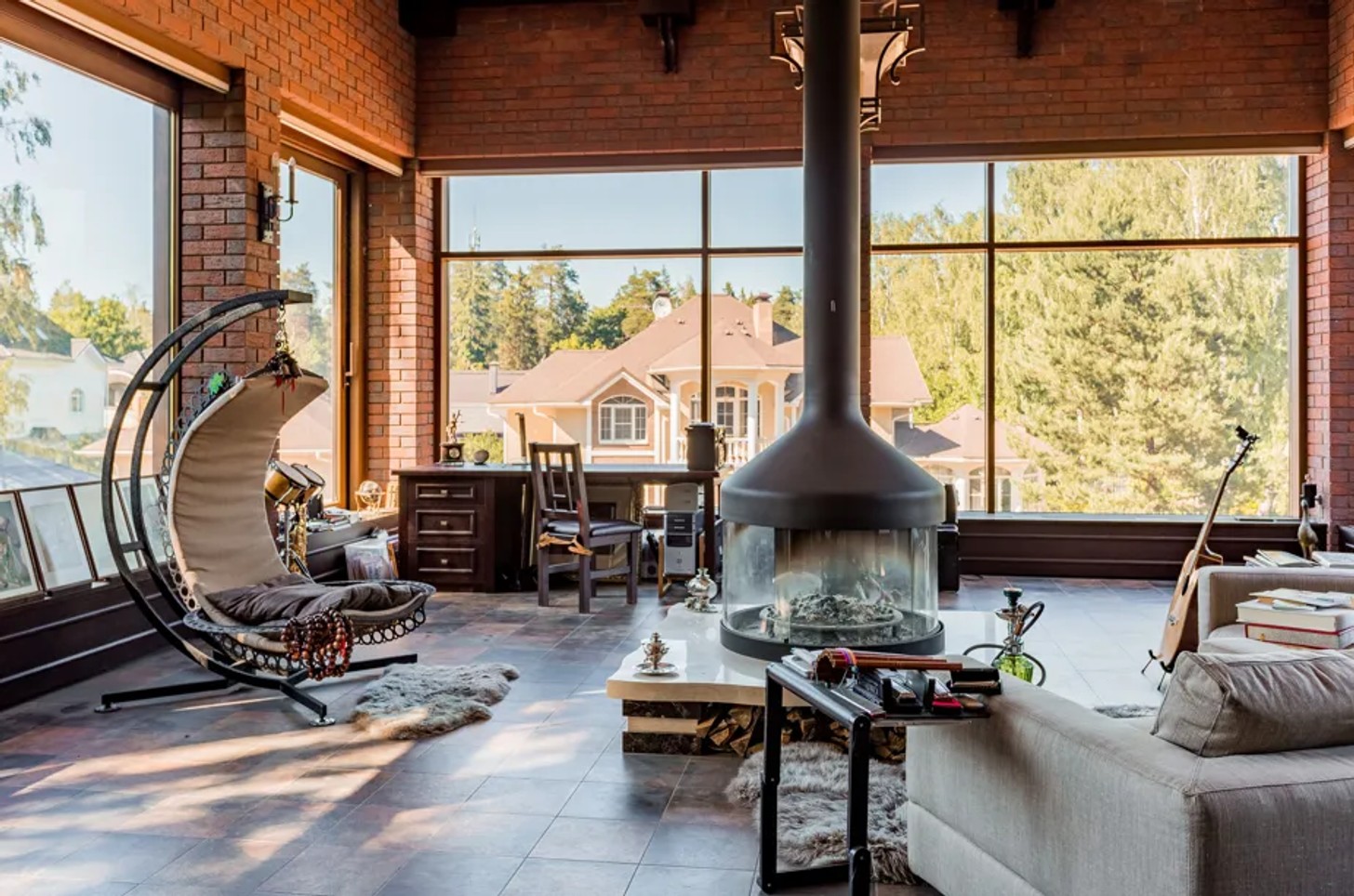
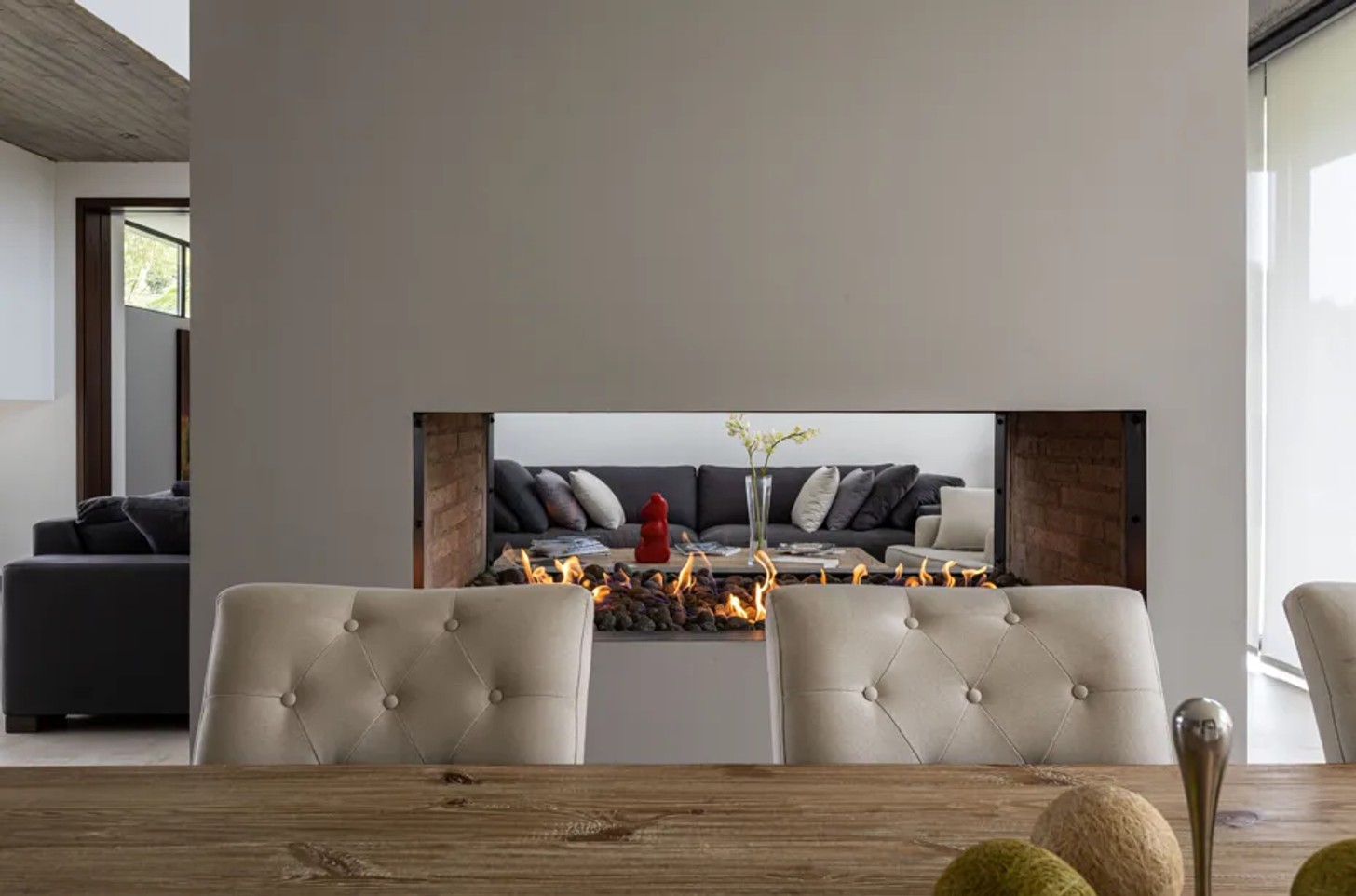
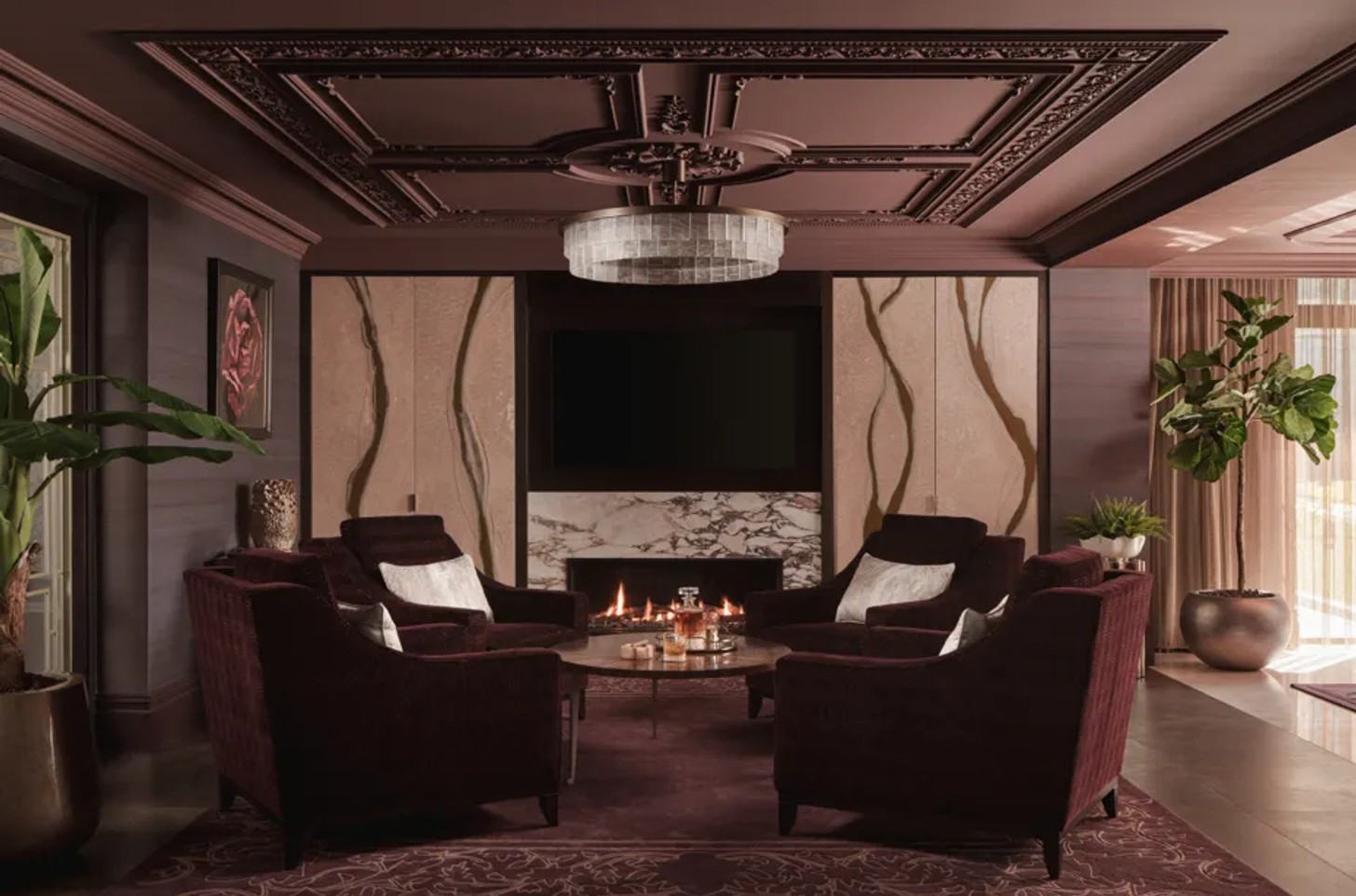
These are designed into the architecture instead of being placed against a wall. A long, horizontal fire beneath a television, a double-sided fireplace between the living and dining areas, or a three-sided fire set into a room divider can all create a strong visual centre without the bulk of a traditional chimney.
For designers, this is where fireplaces become particularly interesting. The fire can be treated almost like a piece of architecture, with stone, plaster, marble, concrete, or timber framing the flame.
Some models are designed primarily for heat, while others place greater emphasis on flame presentation.
Best for: Contemporary homes and open-plan interiors.
Consider: The difference between a decorative fireplace and a heating appliance, as well as the manufacturer's installation requirements.
6. Electric fireplaces
Electric fireplaces have possibly done the most to separate the idea of a fireplace from the need for a chimney.
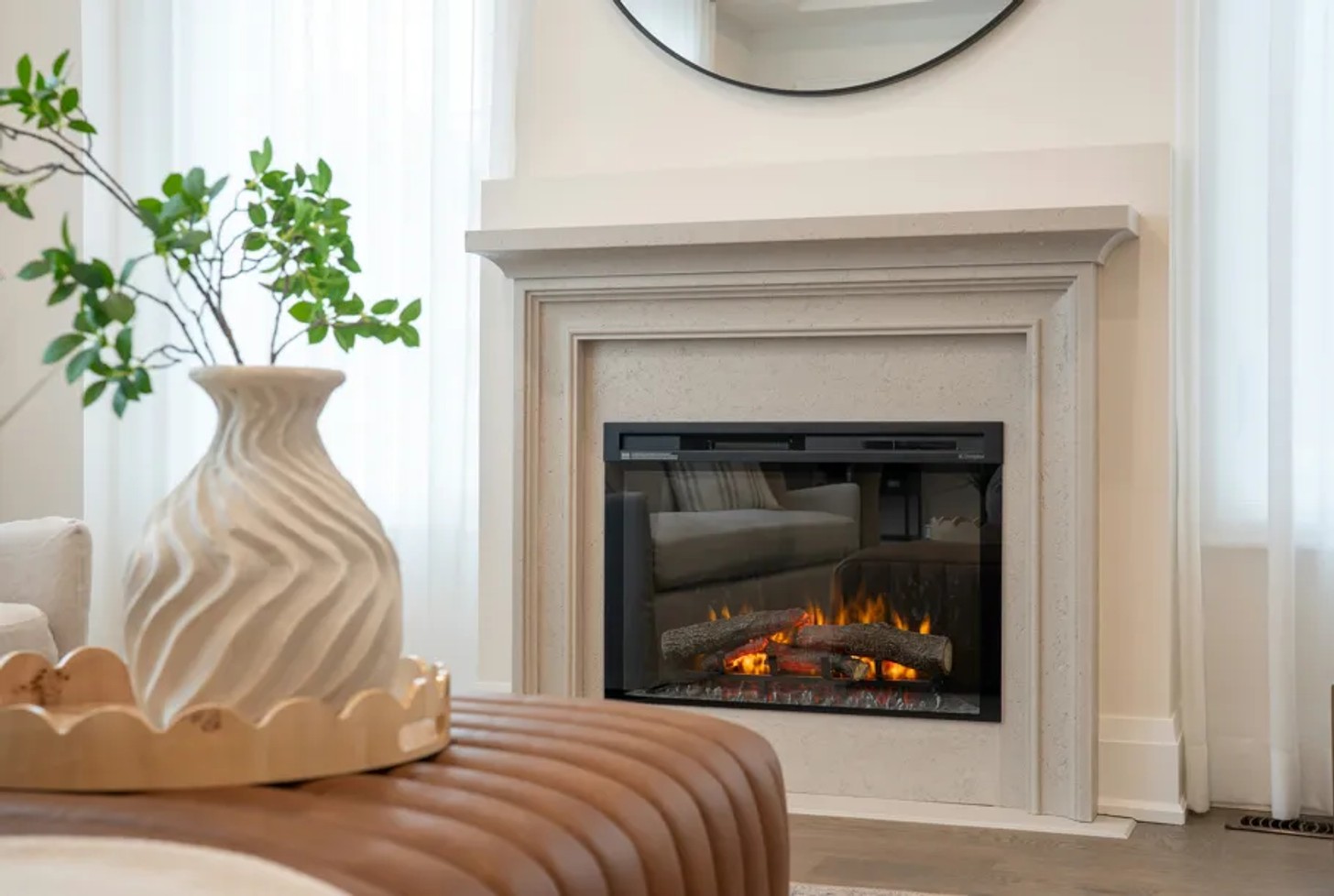
They do not burn wood or gas. Instead, they use electricity to provide heat, while many models simulate the appearance of a flame using lighting and visual effects.
Installation can therefore be considerably simpler than with a wood or gas fireplace, although electrical requirements and the manufacturer's clearances still need to be followed.
The real appeal is flexibility. An electric fireplace can be used in apartments, bedrooms, studies, and rooms where installing a chimney would be impractical. Many can also operate the flame effect without the heat, making them useful as an atmospheric feature year-round.
Best for: Apartments, renovations, and rooms without an existing chimney.
Consider: Electricity costs, the actual heating capacity of the model, and whether you want a realistic flame effect or simply a decorative glow.
7. Bioethanol fireplaces
Bioethanol fireplaces have become popular in contemporary interiors because they offer something that is difficult to achieve with conventional fireplaces: a real flame without a traditional chimney.
They burn liquid ethanol or a related alcohol fuel, rather than wood or gas. Their clean-lined appearance makes them attractive in modern interiors, and they can be found in built-in, freestanding, and wall-mounted forms.
But this is one category where the phrase "clean-burning" should not be confused with "risk-free". Because the flame burns inside the room, ventilation and safe fuel handling still matter.
There is also an important safety distinction between professionally designed ethanol fireplaces and tabletop products that simply involve pouring liquid alcohol into an open container. In other words, this is not the type of fireplace to prioritise aesthetics over specification. Choose a properly designed appliance, follow the manufacturer's fuel and operating instructions, and never improvise with liquid fuel.
Best for: Contemporary interiors where a real flame is wanted without a conventional chimney.
Consider: Ventilation, fuel handling, product certification, and installation requirements. Avoid improvised or open pooled-alcohol tabletop fires.
8. Double-sided and see-through fireplaces
This is less about fuel and more about form – and it is one of the most striking fireplace styles for modern homes.
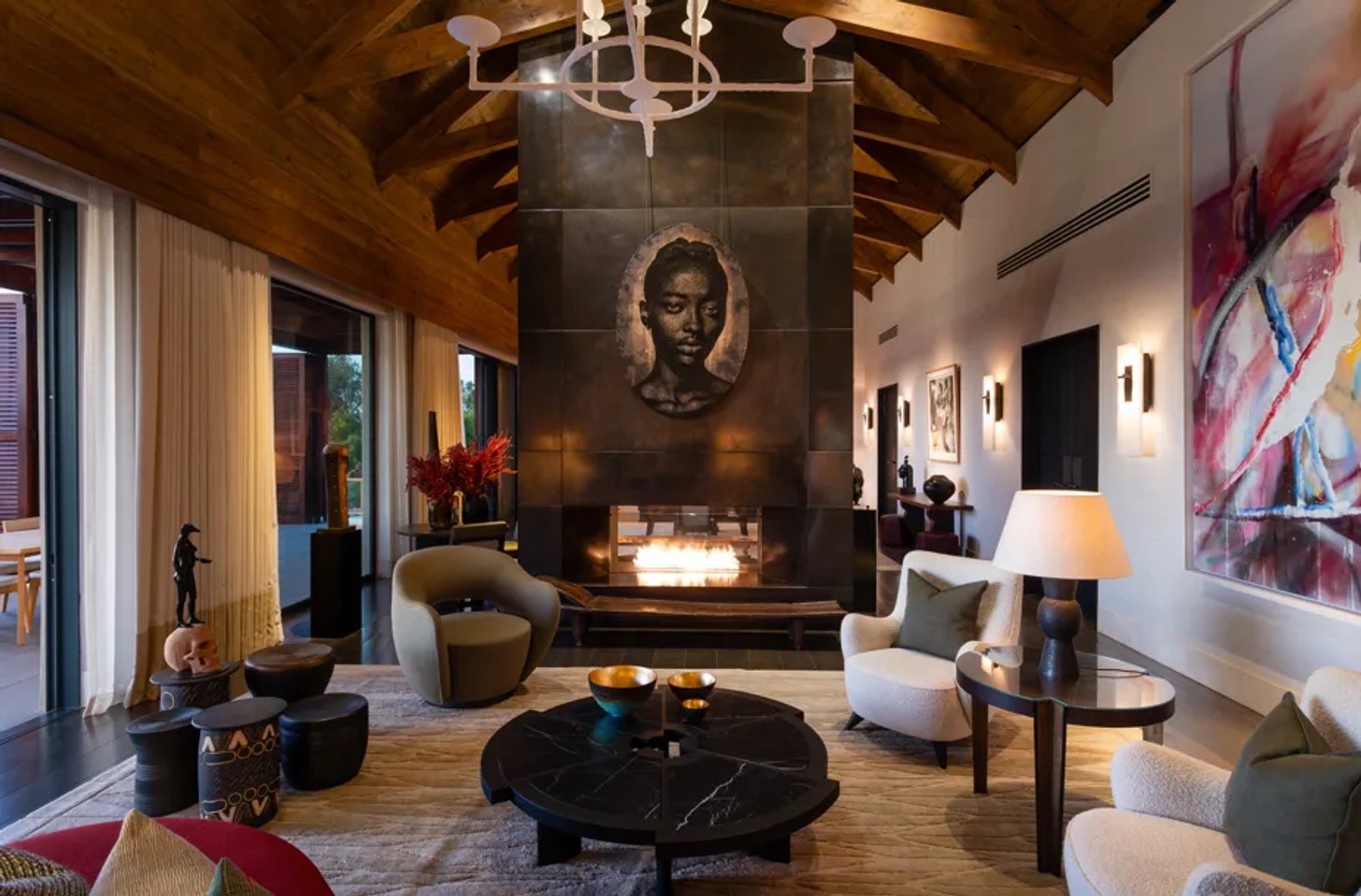
A double-sided fireplace is designed so that the fire can be viewed from two rooms or two areas of the same room. For example, a see-through fireplace might sit between a living room and dining room, or separate a bedroom from a bathroom while maintaining a visual connection.
They are available in wood-burning, gas and some specialised electric formats, although gas is particularly suited to this architectural treatment because the flame can be controlled without the physical logistics of tending a wood fire.
Best for: Open-plan homes, entertaining spaces, and interiors where the fireplace needs to work from more than one viewpoint.
Consider: Structural design, ventilation, and the heat exposure of surrounding finishes.
Before you choose a fireplace
The prettiest model isn't necessarily the right one. Before you fall for a particular design, ask these five questions:
How much heat do I actually need?
Do I already have a chimney or suitable ventilation?
Where will the fuel go?
How will it affect the room?
What will installation involve?
For a new-build or major renovation, these questions are important. A fireplace is one of those elements that looks simple once finished but can involve considerable planning behind the scenes.
So, which fireplace is right for your home?
There is no universal winner. The best fireplace is the one that suits both the architecture and the way you actually live daily.
The more important question is whether you want a fireplace primarily for heat, atmosphere, or both. Once that is clear, fuel type, room size, and the practicalities of installation become much easier to assess.
The most beautiful fireplace, ultimately, is one that has been properly specified for the house – and safely installed.
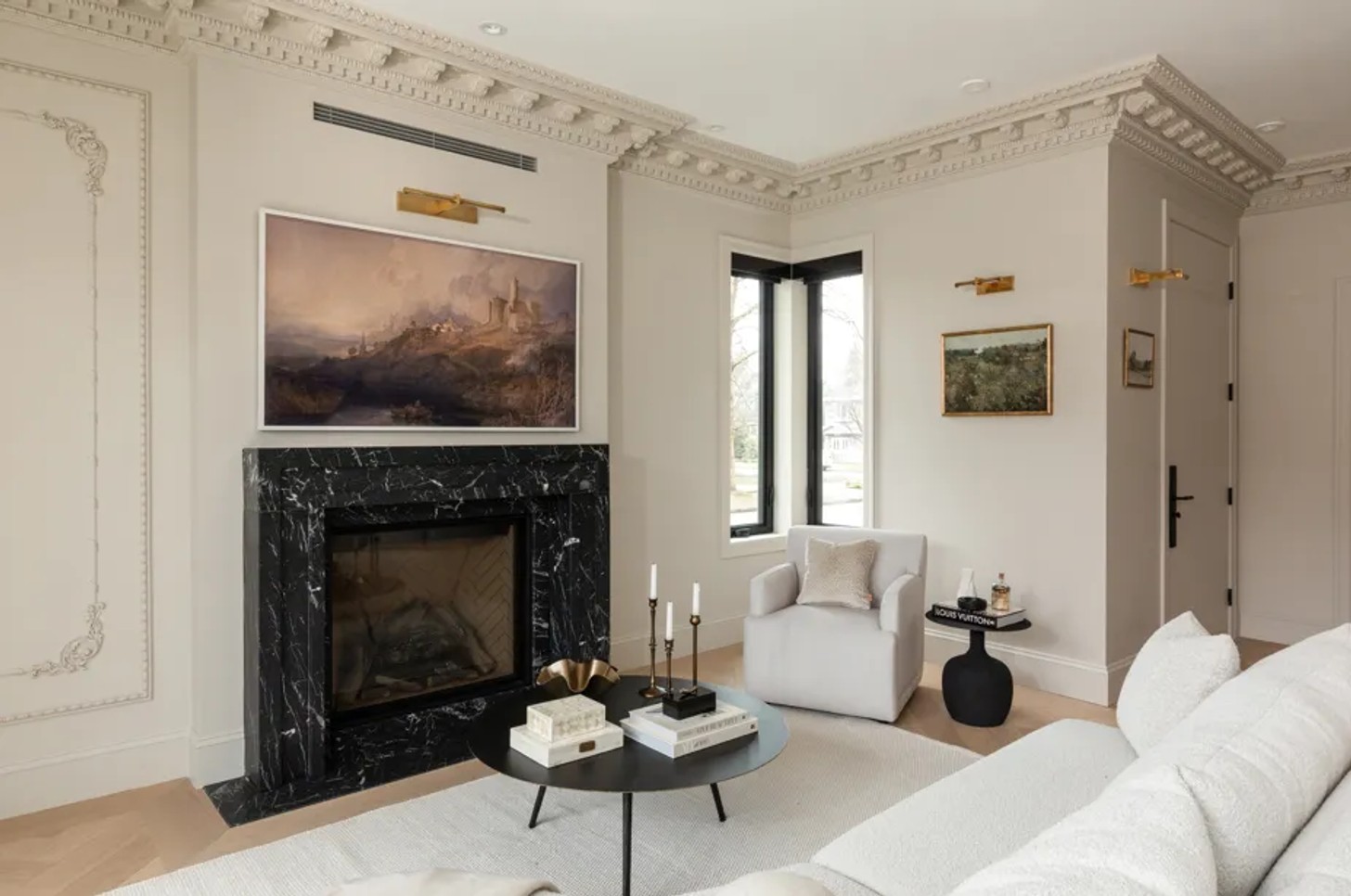
H&G Quick Guide
For old-world character: Traditional open wood-burning fireplace
For more efficient wood heating: Enclosed fireplace insert or modern wood-burning appliance
For effortless real flames: Gas fireplace
For a contemporary architectural statement: Built-in or double-sided fireplace
For homes without a chimney: Electric fireplace
For a minimalist real-flame effect: Professionally specified bioethanol fireplace
For any combustion fireplace: Professional installation, appropriate ventilation, and regular maintenance are non-negotiable.
For South African homes: Wood and gas remain among the most established options, while electric and bioethanol offer alternatives where conventional ventilation is impractical.
Images Credits
Charles Russell, Riehan Bakkes, Douglas Friedman, Tina Kulic, Todd Goodman, Vigo Jansons, Pexels, Unsplash


