
There was a time when lighting was something you chose after the sofa, the rug, and the art – but that’s no longer the case. Sculptural lighting has moved firmly into the spotlight, becoming one of the easiest ways to give a room personality without filling it with more stuff.
The appeal is simple: why choose between beautiful and useful when your lighting can be both?

From oversized pendants that look almost architectural to organically shaped table lamps, sculptural lighting is less about illumination alone and more about creating a visual moment.
So, what exactly is sculptural lighting?
Think of it as functional art. These are pieces designed to light a space, but with enough presence to hold their own when switched off.
The most interesting examples tend to have a strong silhouette, an unusual material, an unexpected proportion, or even a form inspired by nature. And that is precisely the point.
Sculptural lighting brings an artistic element into a room without necessarily demanding another object, artwork, or decorative accessory. One exceptional light can do the work of several smaller pieces.
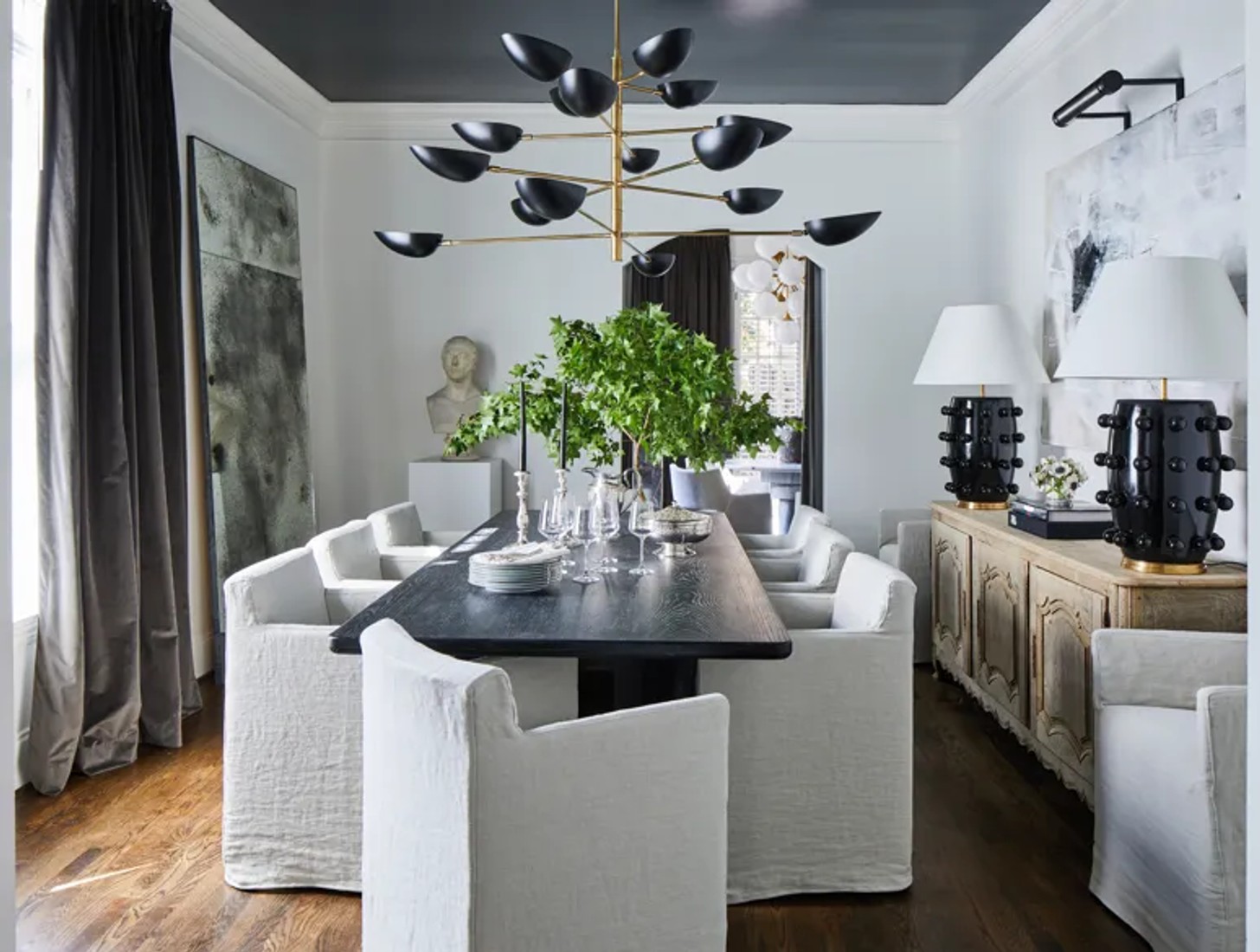
The beauty of the material mash-up
Part of the current obsession lies in the materials. Designers play around with combinations that make lighting feel tactile and almost collectible.
Consider blown glass paired with aged metal, timber with linen, ceramic with rattan or sculpted plaster alongside polished finishes – an amazing appeal to seeing contrasting textures occupy the same object.
Organic materials work especially well here. Stone, wood, ceramic, paper, woven fibres, and hand-finished metals introduce imperfections and variations that make a piece feel original.
And when the light comes on, those materials change again. For example, translucent stone glows, ribbed glass catches shadows, perforated metal creates patterns across a wall, and linen softens the light. Suddenly, the fixture is doing more than just brightening up the room.
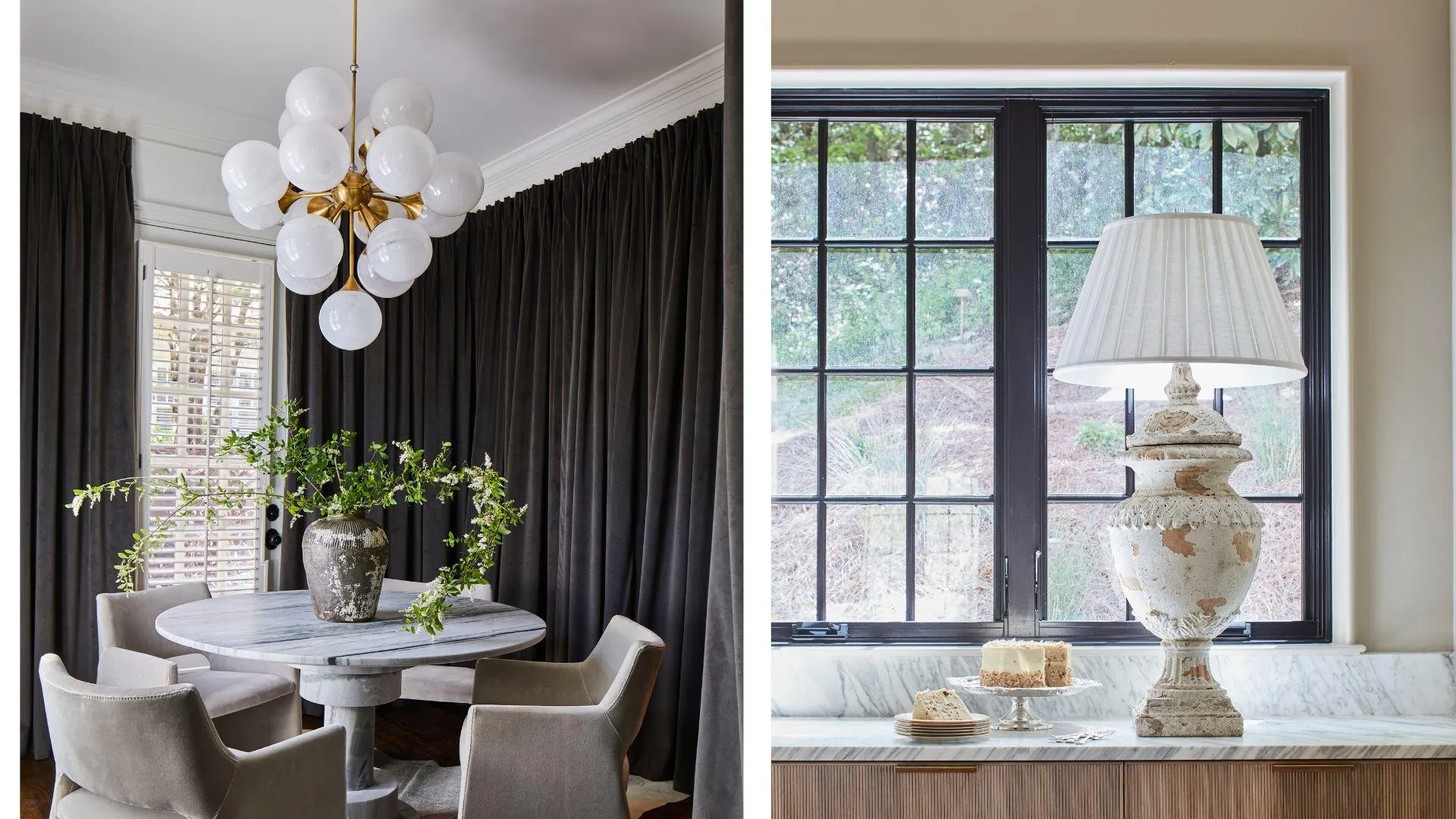
The clutter-free decorating trick
This might be one of the best arguments for sculptural lighting: it can make a room feel decorated without making it feel cluttered.
Instead of adding another collection of objects to a console or filling every empty surface with accessories, one striking lamp can become the focal point.
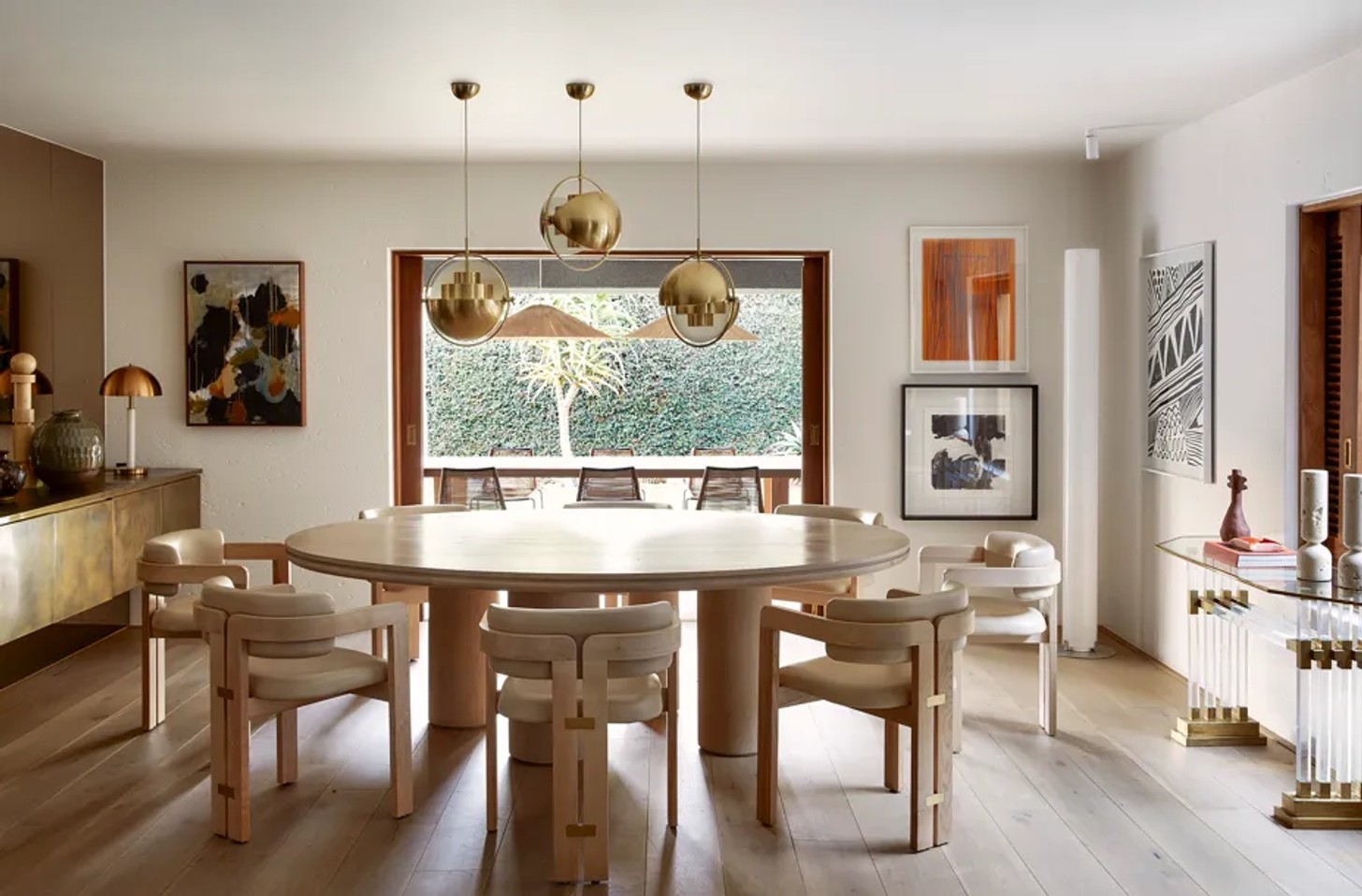
This is effective in contemporary homes where restraint is part of the aesthetic. For instance, a sculptural pendant over a dining table can provide all the visual drama the space needs. The rest of the room can then breathe.
The trick is to let the lighting have its moment. If the lamp is expressive, you don't necessarily need five other things competing for attention.
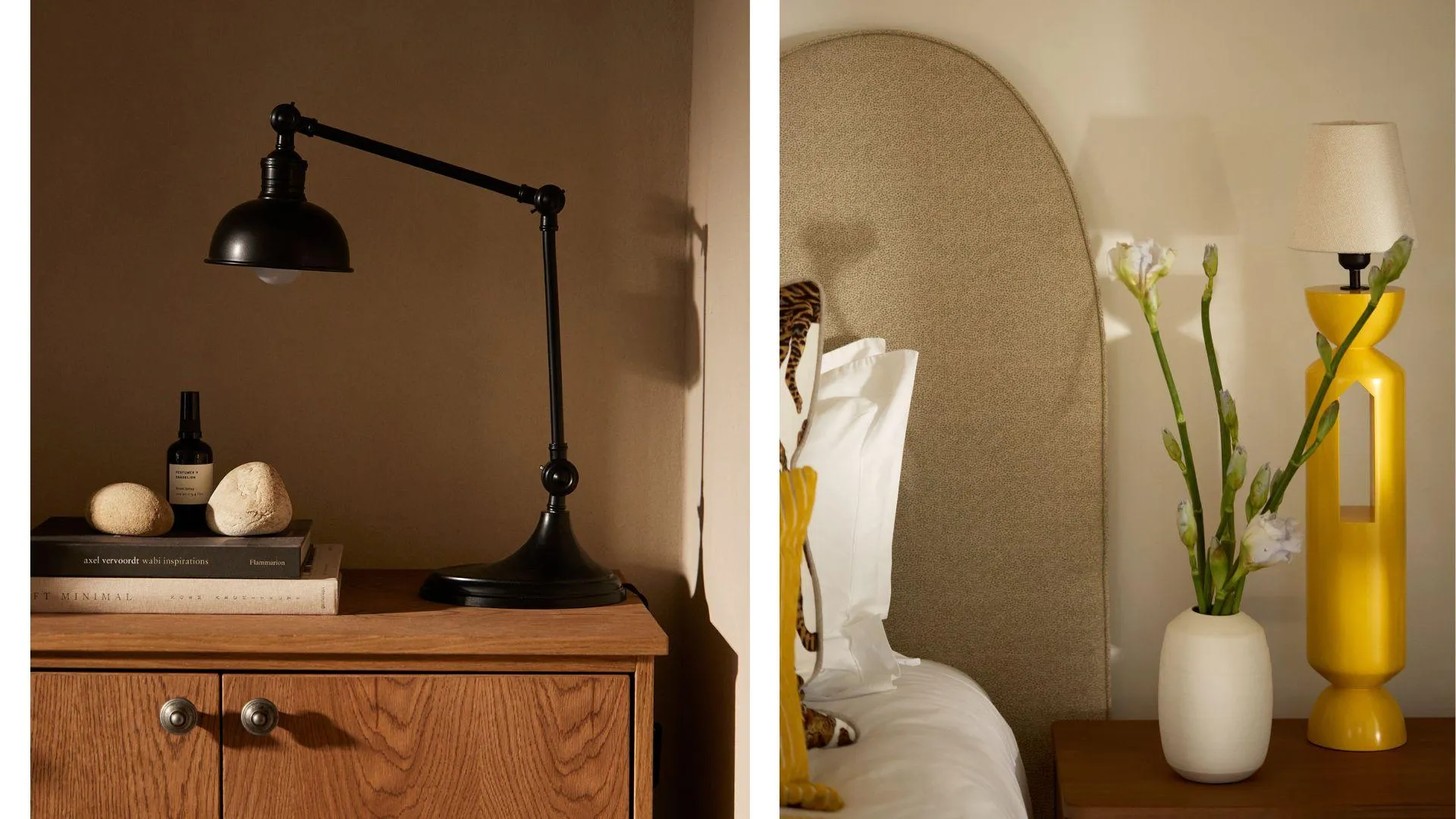
Why it feels so different
Sculptural lighting has an almost chameleon-like quality. During the day, it reads as an object. At night, it adds to the atmosphere.
That dual identity is what gives it an edge over more conventional fixtures.
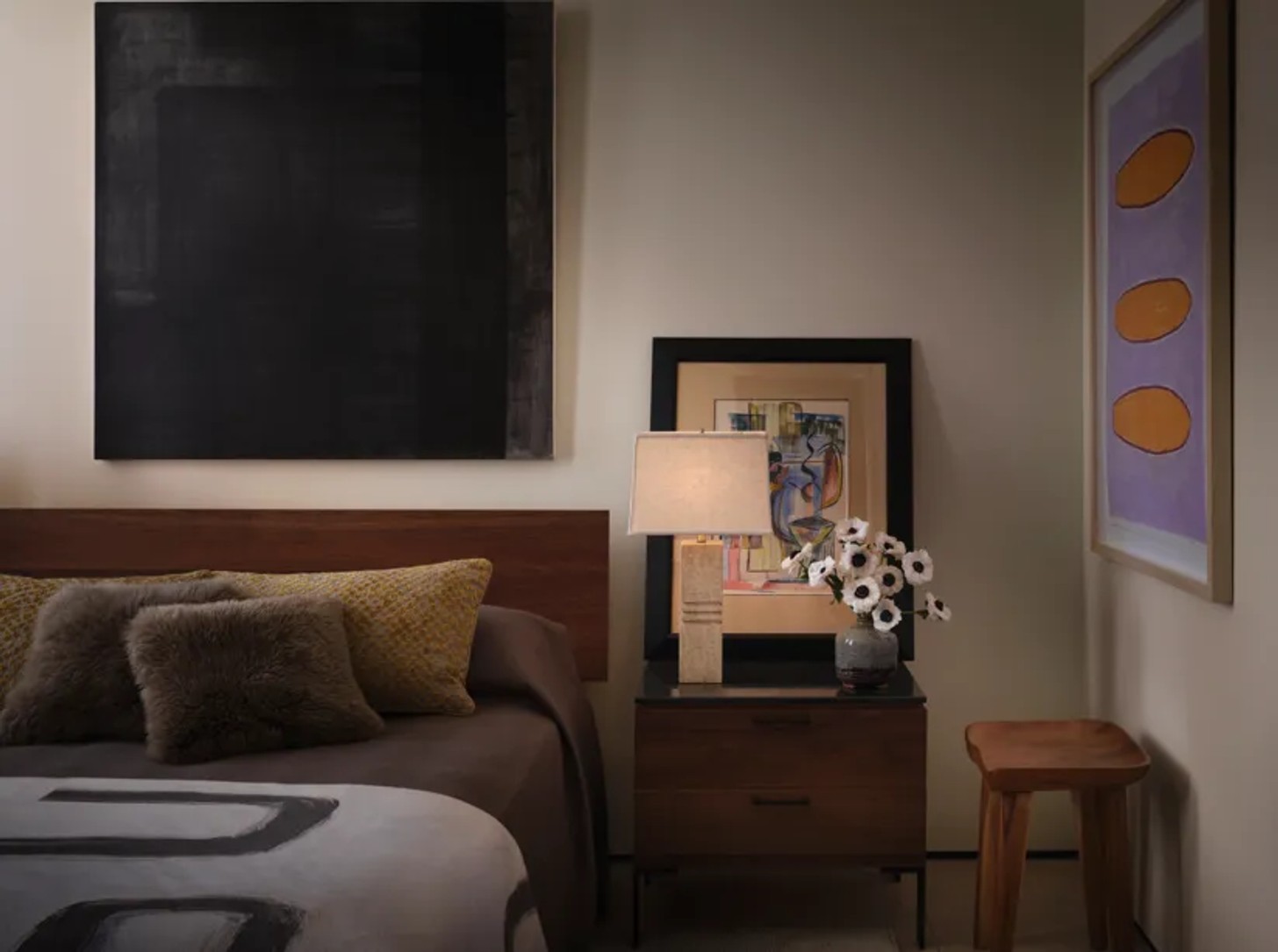
It can also introduce movement into a room. Curved forms soften rooms dominated by straight architectural lines, while geometric pieces can sharpen an otherwise relaxed interior. Oversized fixtures create drama; smaller sculptural lamps can bring intimacy to a reading corner, bedside table, or a bookshelf.
There is also a personal element about choosing a light with an unusual form. It says more about your taste than selecting something simply because it goes with the room.
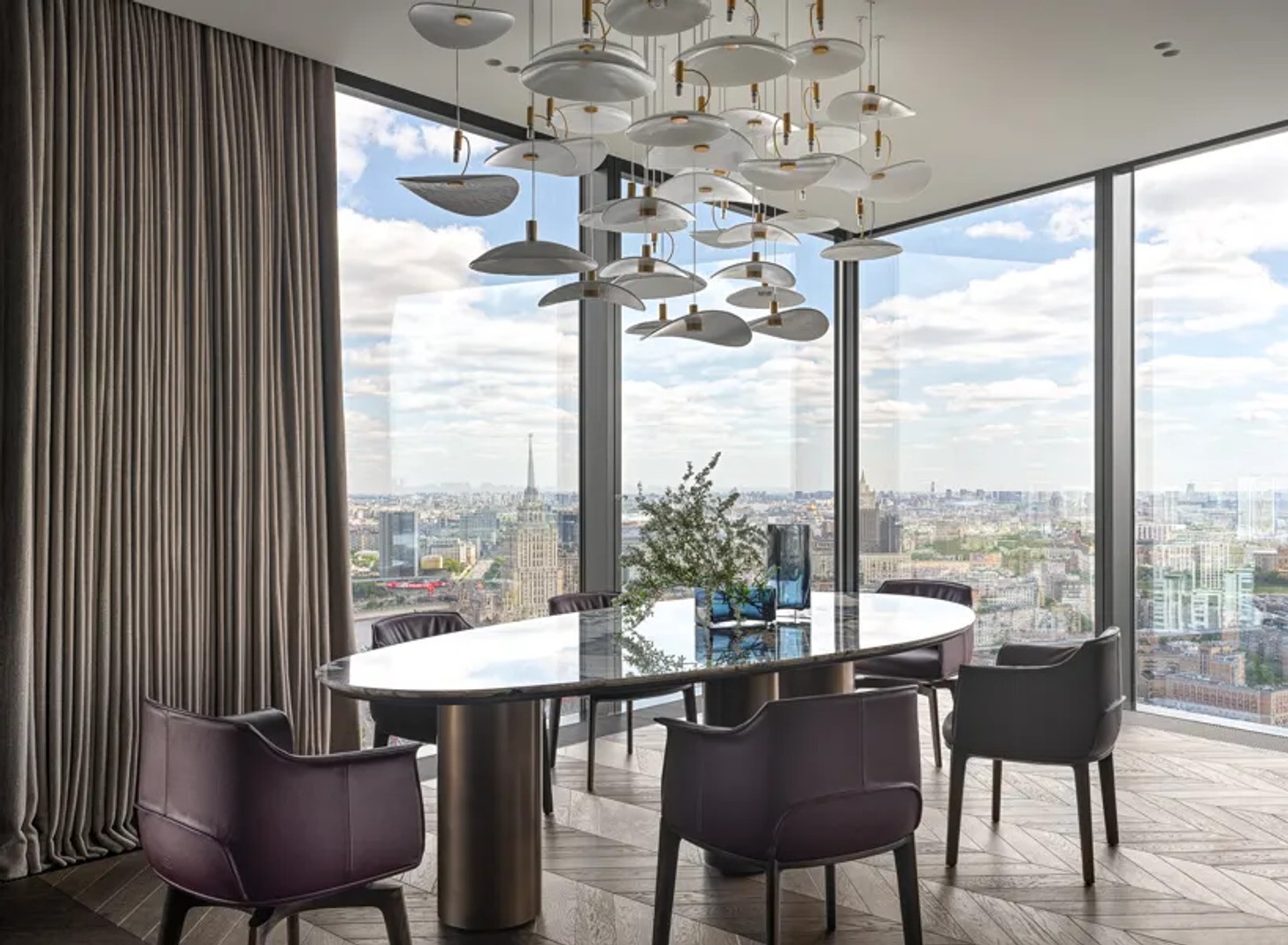
Where should you use it?
Almost anywhere – but the best placement is usually somewhere the eye naturally lands.
Over a dining table: An oversized pendant can anchor the entire dining area and create a sense of occasion.
In the living room: A sculptural floor lamp can fill an awkward corner without the need for another side table or decorative arrangement.
On a bedside table: This is where smaller, characterful lamps really shine
In an entrance hall: A dramatic pendant immediately establishes the mood of the home and makes a strong first impression.
Above a kitchen island: Sculptural pendants can soften the feel of a kitchen while providing practical task lighting.
In a study or reading nook: Choose something with a directional light source and an interesting form, giving the space both function and personality.
In a bathroom: Where appropriate, decorative wall lights can introduce warmth and character.
Before you buy, consider these things
Scale matters. A spectacular light can quickly become overwhelming if it is too large for the room. Equally, a tiny fixture can disappear in a generous space.
Look at it switched off. If you love the shape only when the light is glowing, you may be choosing a lighting effect rather than a beautiful object.
Think about the quality of light. Consider whether you need ambient, task or accent lighting, and look at the colour temperature and diffusion.
Don't ignore the ceiling. A sculptural pendant needs enough breathing room around it. Crowding it with other visual elements can dilute its impact.
Mix, don't match. Your lighting doesn't need to belong to one perfectly coordinated collection. A ceramic table lamp, architectural floor lamp and metal pendant can coexist beautifully when their forms or materials create a working relationship.
Installation counts. Particularly with larger or heavier pieces, check the weight, mounting requirements, ceiling structure, and electrical specifications before falling in love.
The rule of one
If there is one principle worth taking from the sculptural-lighting movement, it is this: you don't need many statement pieces when you have one really good one.
A dramatic pendant can replace an entire wall of commotion. A beautiful table lamp can make a console feel finished. A sculptural floor light can transform an empty corner into a destination.
It is decoration with a purpose – and maybe that is why the trend has such staying power.
Image Credits
Ema Peter Photography, Bess Friday, Elsa Young, Douglas Friedman, Inge Prins, Laurey Glenn, Sergey Krasyuk


