
A good salad dressing can turn a bowl of greens into something you can look forward to. While there is nothing wrong with a simple squeeze of lemon and a bit of olive oil, having a few reliable dressings on hand makes it easier to build salads around whatever is already in the fridge – from crisp leaves and roasted vegetables to grains, grilled chicken, and fresh fruit.
Here are the dressings worth making, buying, or keeping stocked.

The classic vinaigrette
If you only keep one dressing in the kitchen, make it a vinaigrette. The basic formula is simple: three parts oil to one part vinegar, plus seasoning. Extra-virgin olive oil and red wine vinegar make a versatile combination, while Dijon mustard helps blend the dressing and adds a little flavour.
It works with everything from a simple green salad to roasted vegetables, lentils, and grain bowls.
Lemon and olive oil
Fresh, bright and almost impossible to get wrong, lemon dressing is particularly good with delicate greens, avocado, cucumber, and seafood. Combine good extra-virgin olive oil with fresh lemon juice, salt and black pepper, then add a little Dijon or honey if you want more body.
This is the dressing to reach for when you want something that tastes clean.
Balsamic dressing
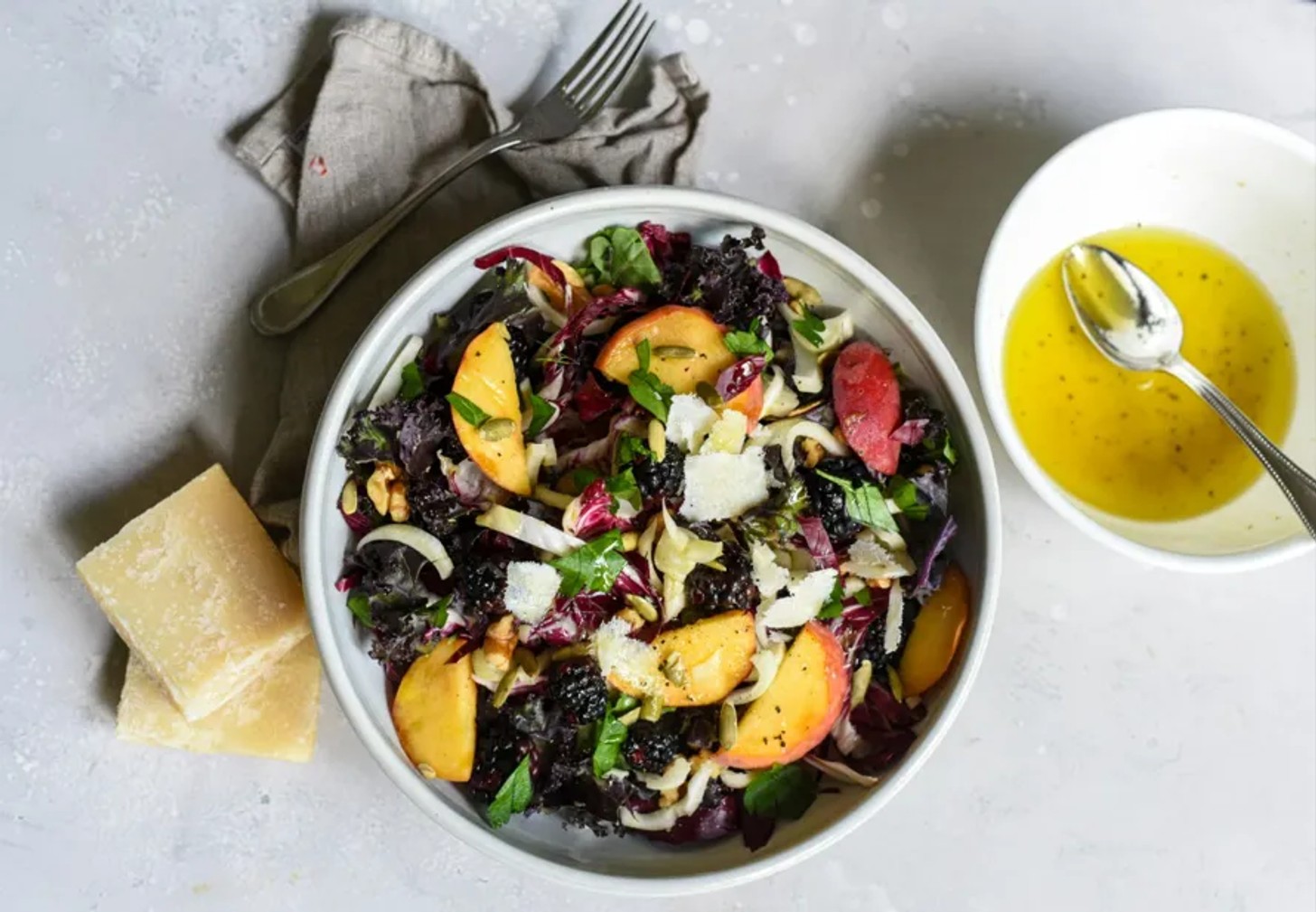
Balsamic is a kitchen staple for good reason. Its sweet-tart character works beautifully with tomatoes, rocket, mozzarella, roasted vegetables, and anything with a little bitterness.
For an everyday dressing, combine balsamic vinegar with olive oil, and a touch of honey. If you're buying balsamic instead of making a dressing, look for a good-quality vinegar with plenty of flavour rather than one that is simply sweet.
Honey mustard
Sweet, sharp and creamy, honey mustard is one of the most useful dressings to have around. It is brilliant on crunchy salads, slaws and roasted vegetables, but it also doubles as a dipping sauce for chicken or a spread for sandwiches.
For a quick homemade version, mix Dijon mustard, honey, lemon juice, and olive oil. Add Greek yoghurt for a creamier finish.
Green herb dressing
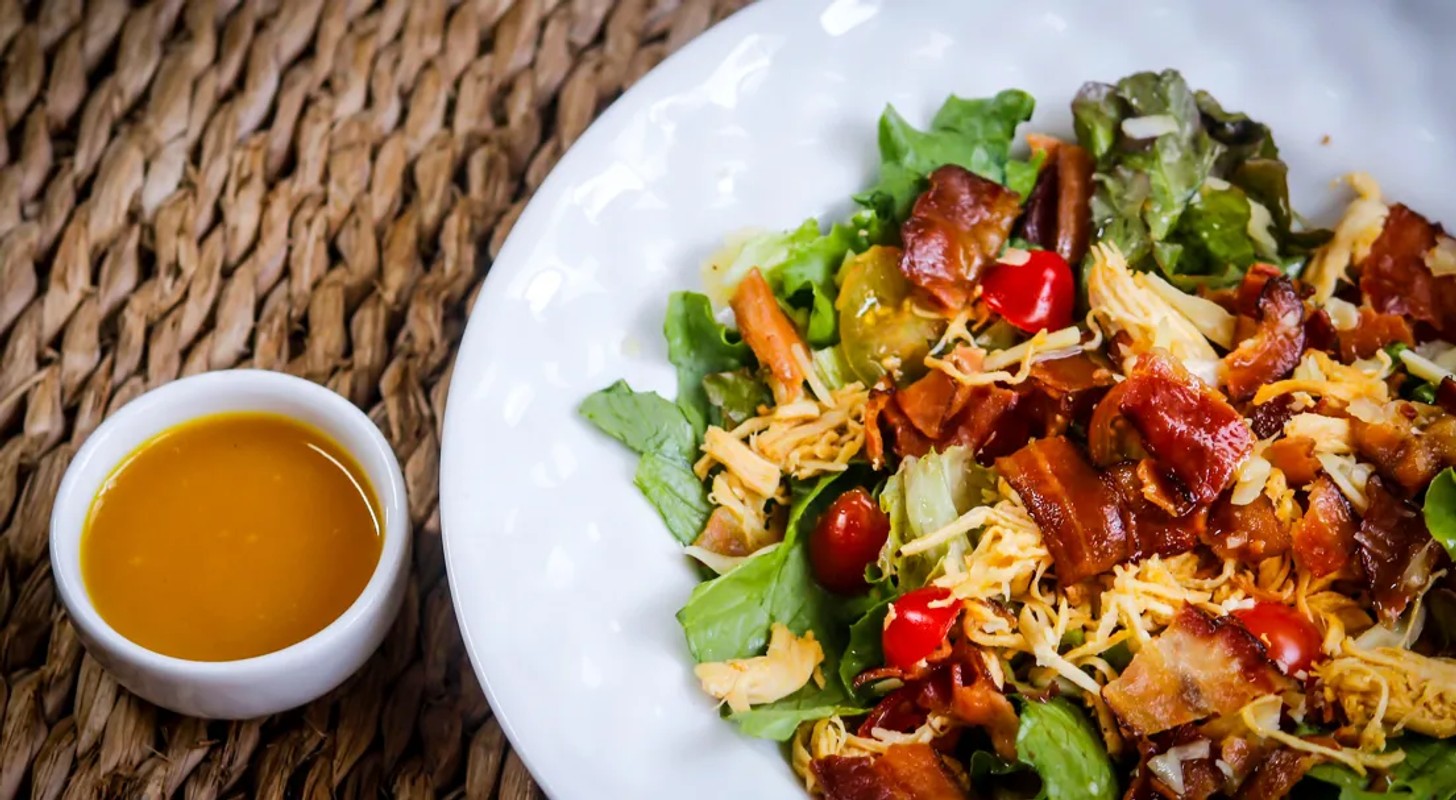
This is where the humble salad gets a little more interesting. Blend fresh parsley, coriander, basil or mint with olive oil, lemon juice, garlic, and seasoning. You can use one herb or a combination, depending on what needs to be used up.
A green herb dressing is good with grilled vegetables, potatoes, beans, and salads containing grains or pulses.
Tahini dressing
Tahini belongs in the cupboard, particularly if you enjoy substantial salads. Made from sesame seeds, tahini creates a rich, nutty dressing that works exceptionally well with roasted cauliflower, sweet potato, chickpeas, lentils, and leafy greens.
Whisk tahini with lemon juice and water until smooth, then season with salt. Add garlic if you like a stronger flavour. The mixture may grip initially, but keep whisking and add water gradually until it becomes silky.
Yoghurt dressing
For something cool and creamy, keep plain Greek yoghurt on hand. It makes an excellent base for a dressing when combined with lemon juice, garlic, herbs, and a little olive oil.
Try it with cucumber, roasted vegetables, grilled meat, or a crisp cabbage salad. Unlike mayonnaise-heavy dressings, yoghurt gives you creaminess without making the salad feel too rich.
Caesar dressing
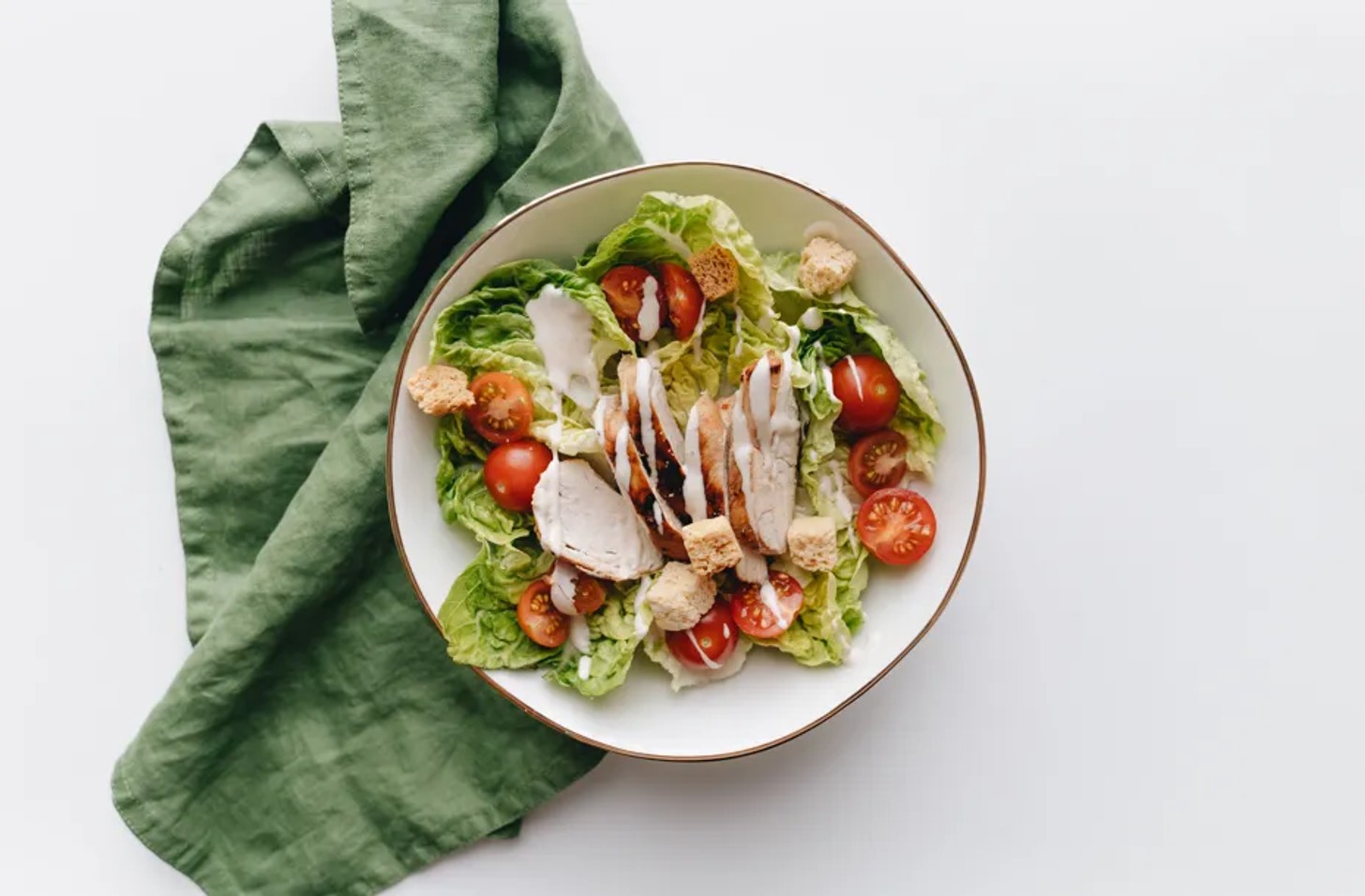
A Caesar salad is only as good as its dressing. The traditional combination is built around ingredients such as egg yolk, Parmesan, lemon and garlic, creating the savoury depth associated with the classic.
You don't necessarily need to make a traditional version every time. A good-quality bottled Caesar dressing can be useful to have in the fridge for quick lunches, particularly when paired with crisp lettuce, Parmesan, and crunchy croutons.
Sesame-soy dressing
For salads with an Asian-inspired edge, sesame and soy are an excellent combination. Mix soy sauce with rice vinegar, sesame oil, and a little bit of honey or maple syrup. Fresh ginger, garlic, and sesame seeds take it a step further.
Use it with shredded cabbage, carrots, cucumber, noodles or grilled chicken. It is also excellent drizzled over roasted vegetables.
The spicy one
Every fridge deserves a dressing with a little heat. Combine olive oil with lemon or lime juice, chilli, honey and a pinch of salt, or stir your favourite hot sauce through a simple vinaigrette.
The balance is important: you want heat, but you also need acidity and a touch of sweetness to keep it from becoming one-dimensional.

A few dressing rules worth remembering
The best dressings balance fat, acid, salt and sweetness. Olive oil provides richness, vinegar or citrus brings acidity, salt sharpens the flavours, and honey or maple syrup can soften an overly acidic dressing.
And don't dress your salad too early. Add the dressing shortly before serving and toss it well, especially when using delicate leaves. A little dressing should coat the ingredients as opposed to pooling at the bottom of the bowl.
Ultimately, the goal is to keep a good olive oil, a few vinegars, Dijon mustard, tahini, yoghurt, soy sauce and a handful of fresh herbs or citrus in rotation, and you'll have the foundations for almost any dressing you could want.


