
There's a reason some homes make you instinctively exhale the moment you step through the front door. It's not necessarily the size of the rooms or the price of the furniture. Instead, it's the atmosphere they create. Cosy interiors have an almost universal appeal because they tap into something deeper than aesthetics — they respond to our emotional need for comfort, security and belonging.
As homes increasingly become places where we work, relax and entertain, designers are placing greater emphasis on how interiors make us feel rather than simply how they look. The result is a growing appreciation for spaces that soothe the senses and encourage slower, more mindful living.

Comfort Begins with Warmth
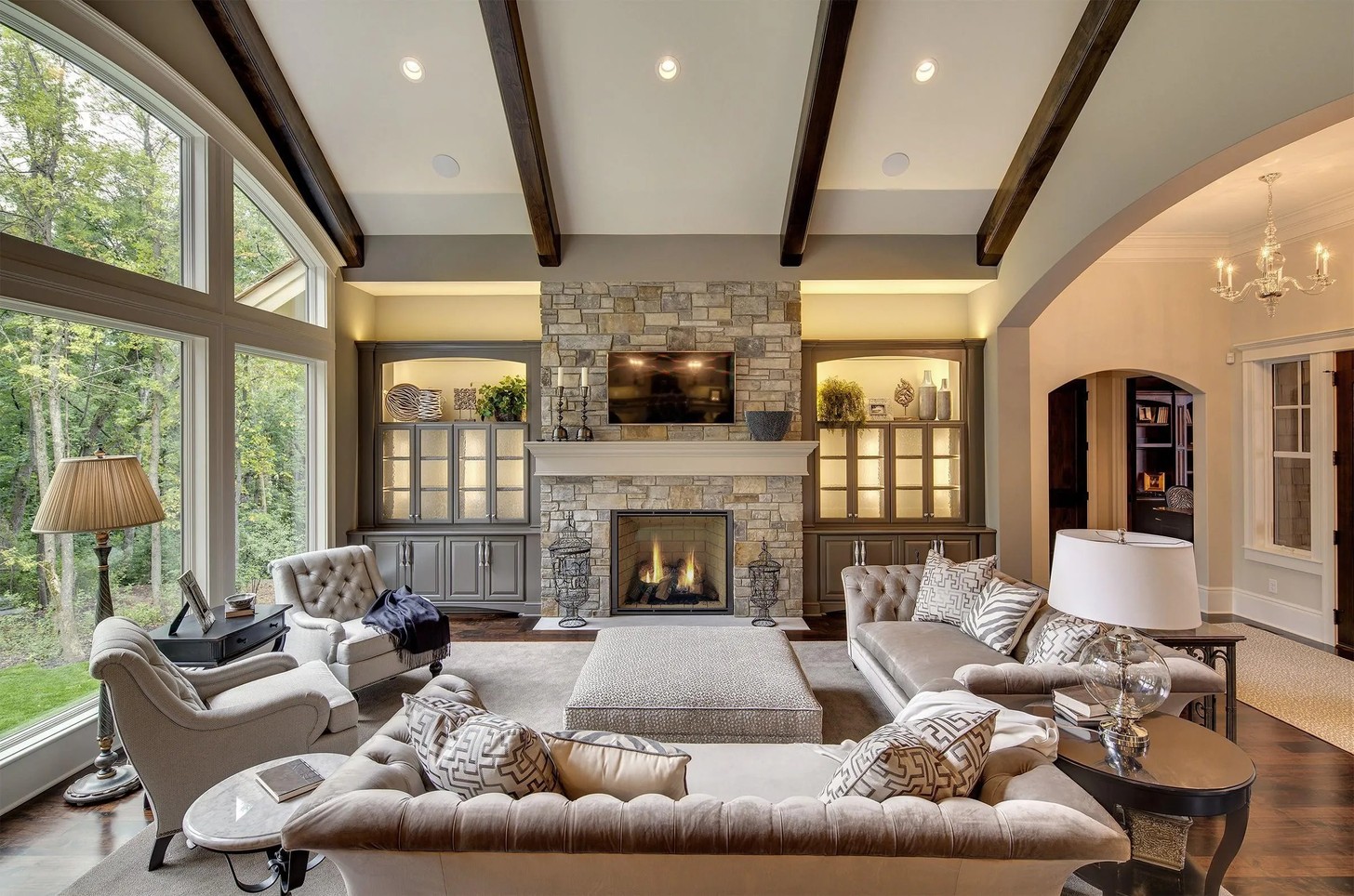
One of the strongest psychological triggers for comfort is warmth, both literal and visual. Earthy colours, timber finishes, soft textiles and warm lighting all signal relaxation to the brain. Unlike stark white interiors, warmer palettes feel approachable and familiar, helping to reduce visual stress.
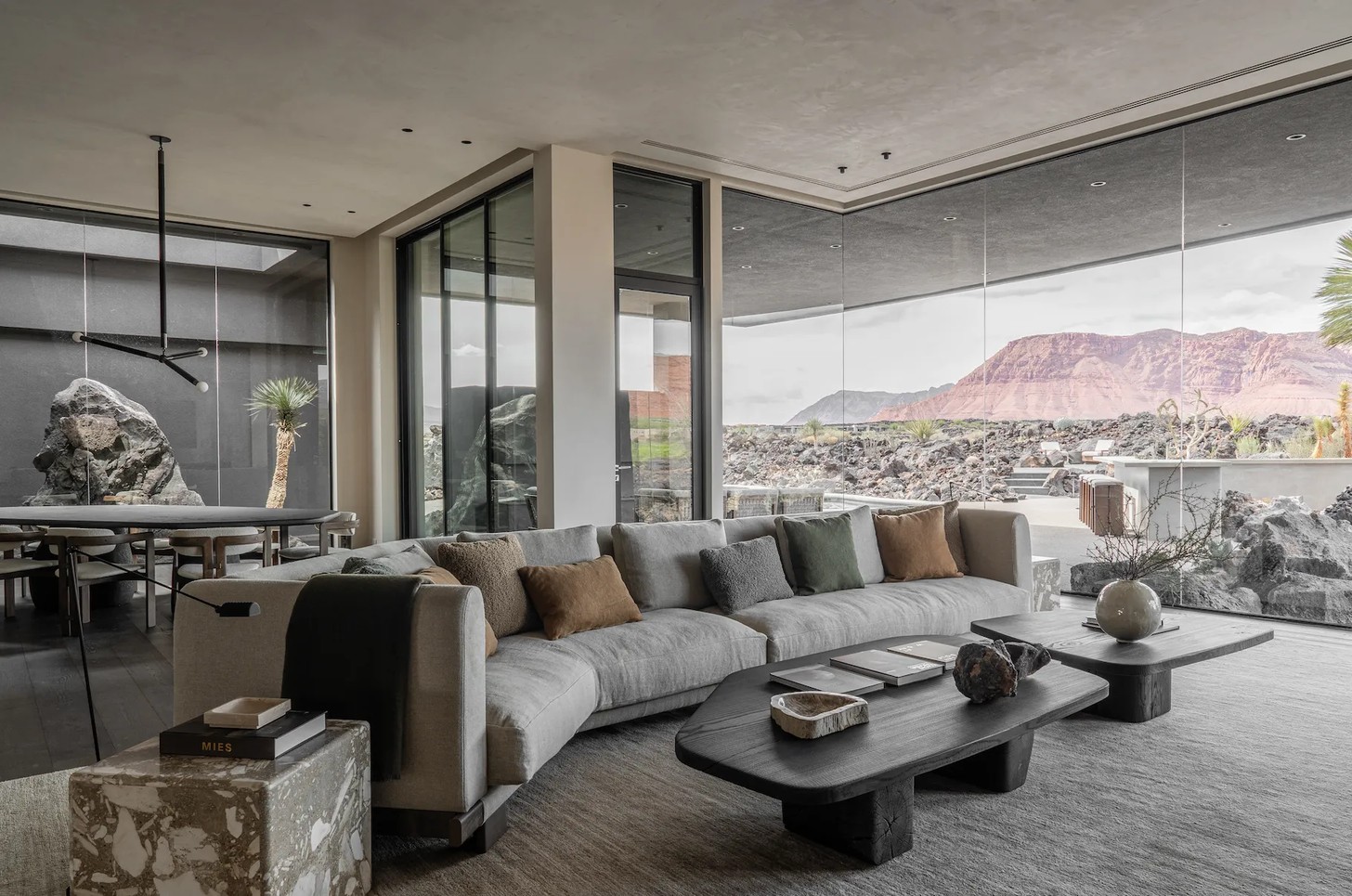
Shades such as terracotta, olive green, caramel, taupe and creamy neutrals naturally create environments that feel grounded without overwhelming a room.
Texture Creates Emotional Comfort
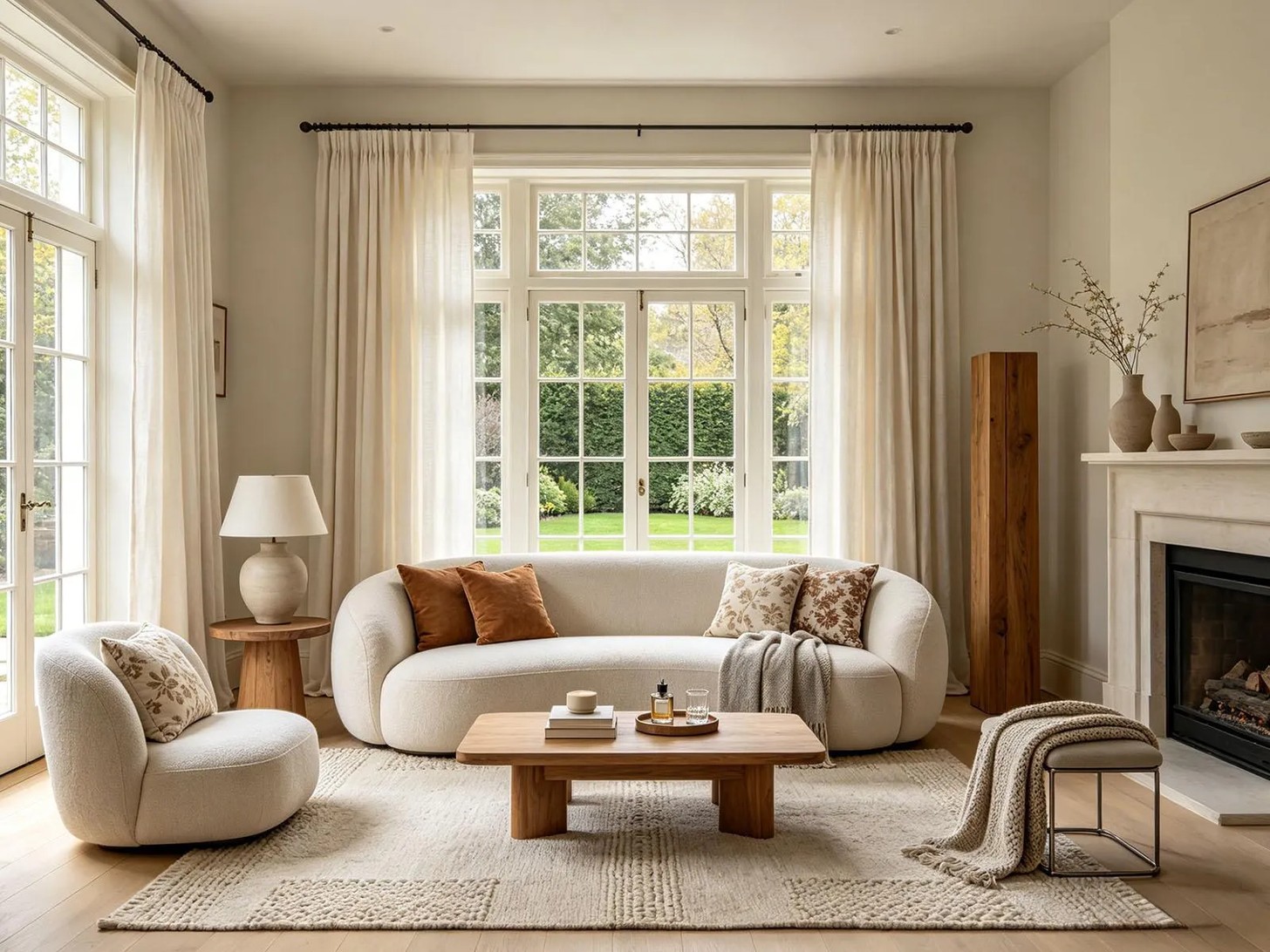
Our brains respond positively to spaces that engage multiple senses. Texture plays a surprisingly important role in this. Bouclé upholstery, linen curtains, wool rugs, natural stone and timber furniture introduce layers that make interiors feel richer and more inviting.
Even before touching these materials, we associate them with softness, warmth and comfort. This sensory connection explains why layered interiors often feel more welcoming than spaces dominated by smooth, glossy finishes.
Lighting Shapes Our Mood
Lighting has one of the greatest influences on how we experience a room. Bright overhead lighting can stimulate alertness, while softer, layered lighting encourages relaxation and conversation.
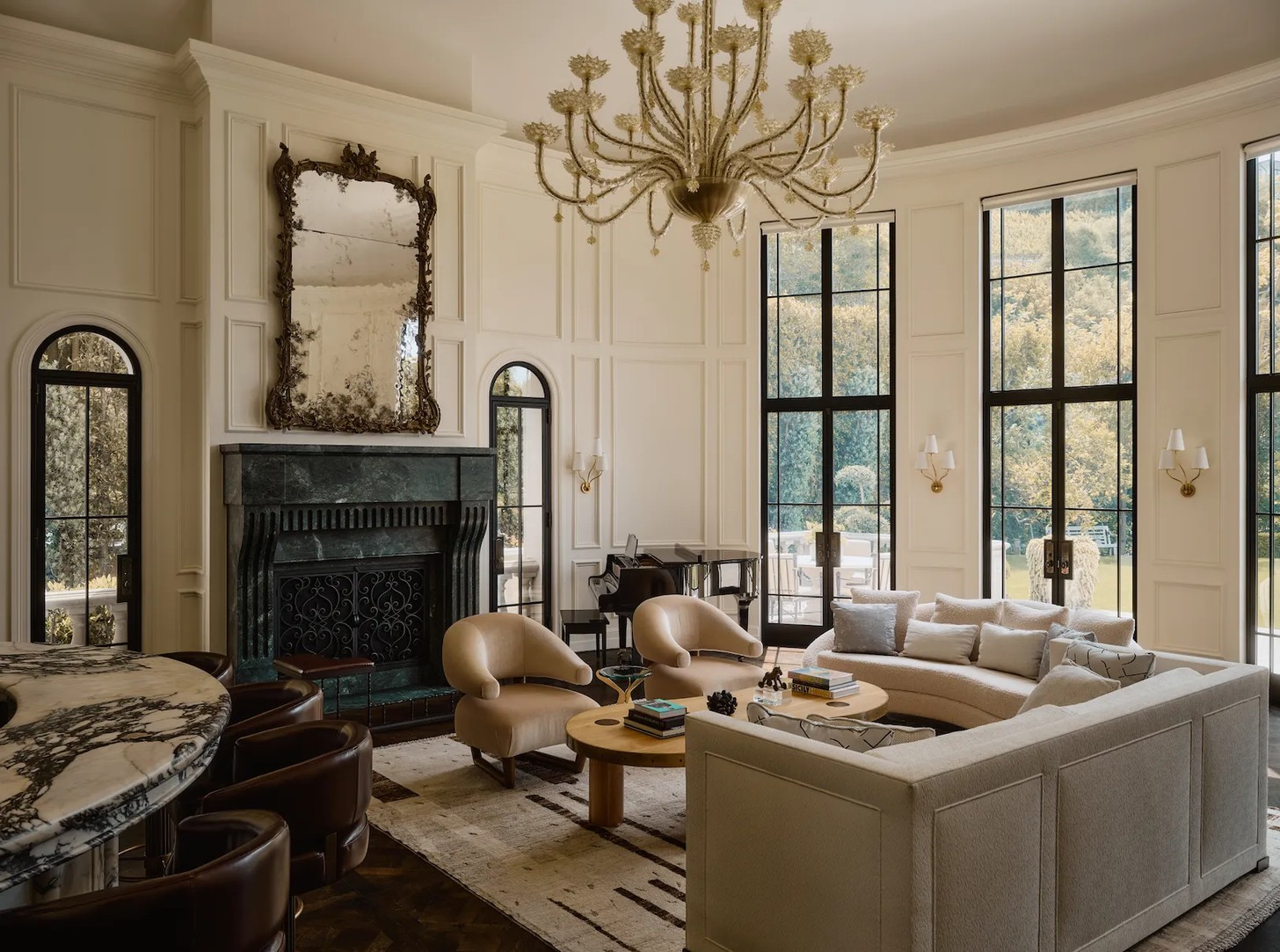
Rather than relying on a single ceiling light, today's most inviting homes combine table lamps, floor lamps, wall lights and candles to create gentle pools of illumination. This layered approach allows spaces to adapt throughout the day, supporting everything from focused work to quiet evenings spent reading.
Familiar Objects Tell Personal Stories
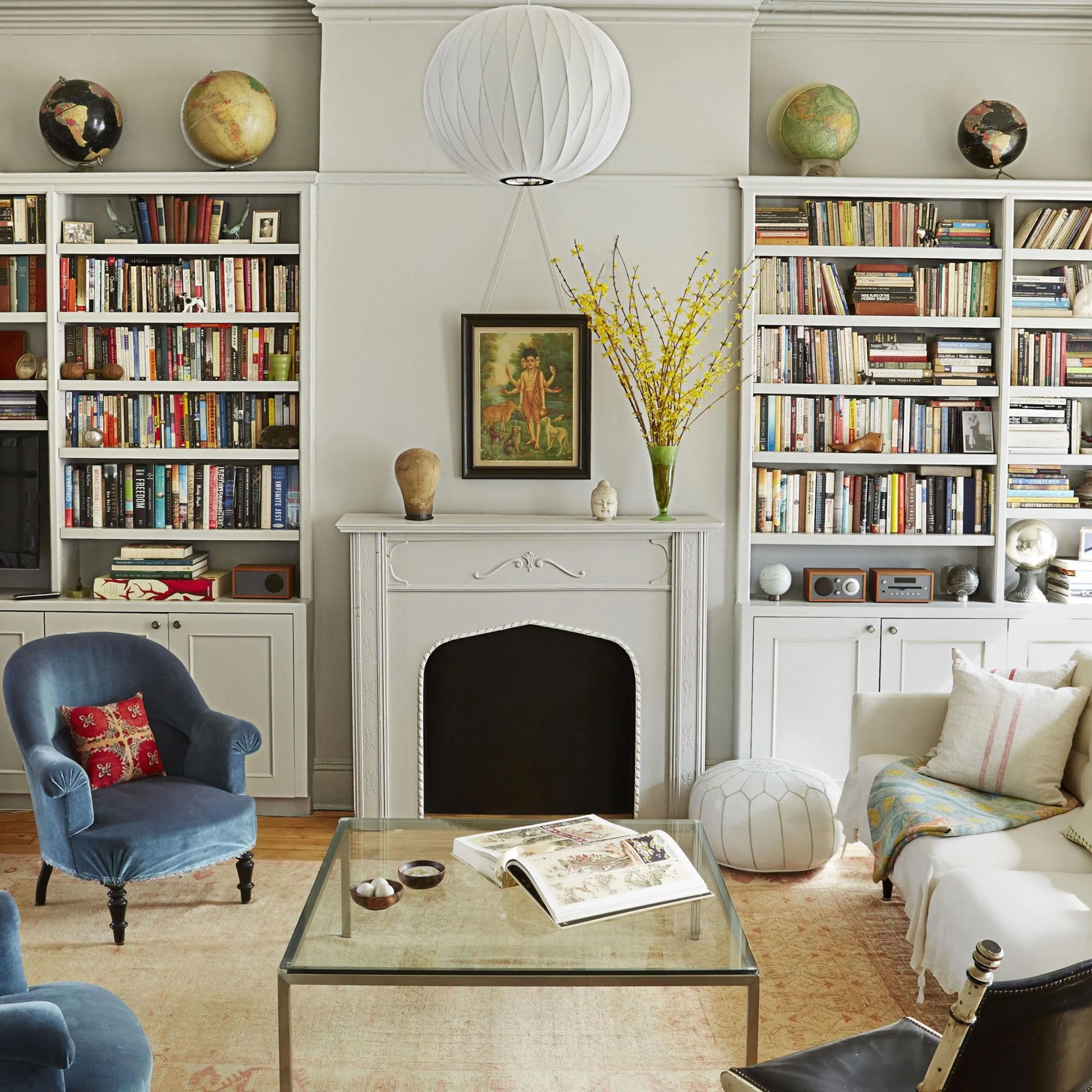
The most comforting interiors rarely feel as though they have been purchased all at once. Instead, they evolve gradually through meaningful objects collected over time.
Family heirlooms, favourite books, travel souvenirs, framed photographs and handmade ceramics all contribute to a stronger emotional connection with our homes. These personal details create familiarity, reinforcing the feeling that a space truly belongs to the people who live there.
Nature Helps Us Relax
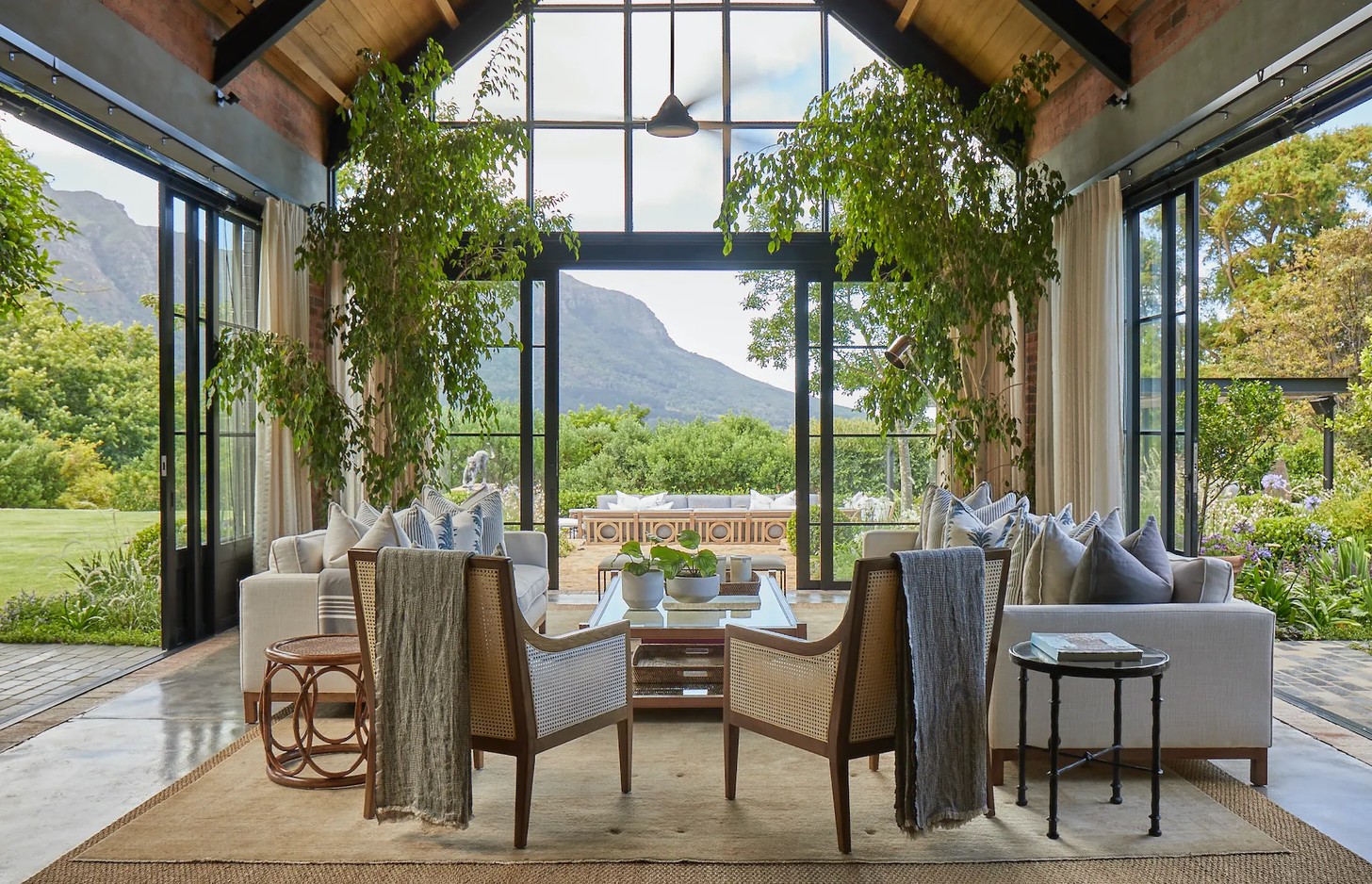
Humans have an innate connection to the natural world, making biophilic design one of the most effective ways to create a calming home. Indoor plants, natural light, timber finishes, stone surfaces and organic forms all help reduce stress while improving overall wellbeing.
Large windows overlooking gardens, natural ventilation and carefully positioned greenery strengthen this connection even further, making interiors feel healthier and more restorative.
Clutter Creates Mental Noise
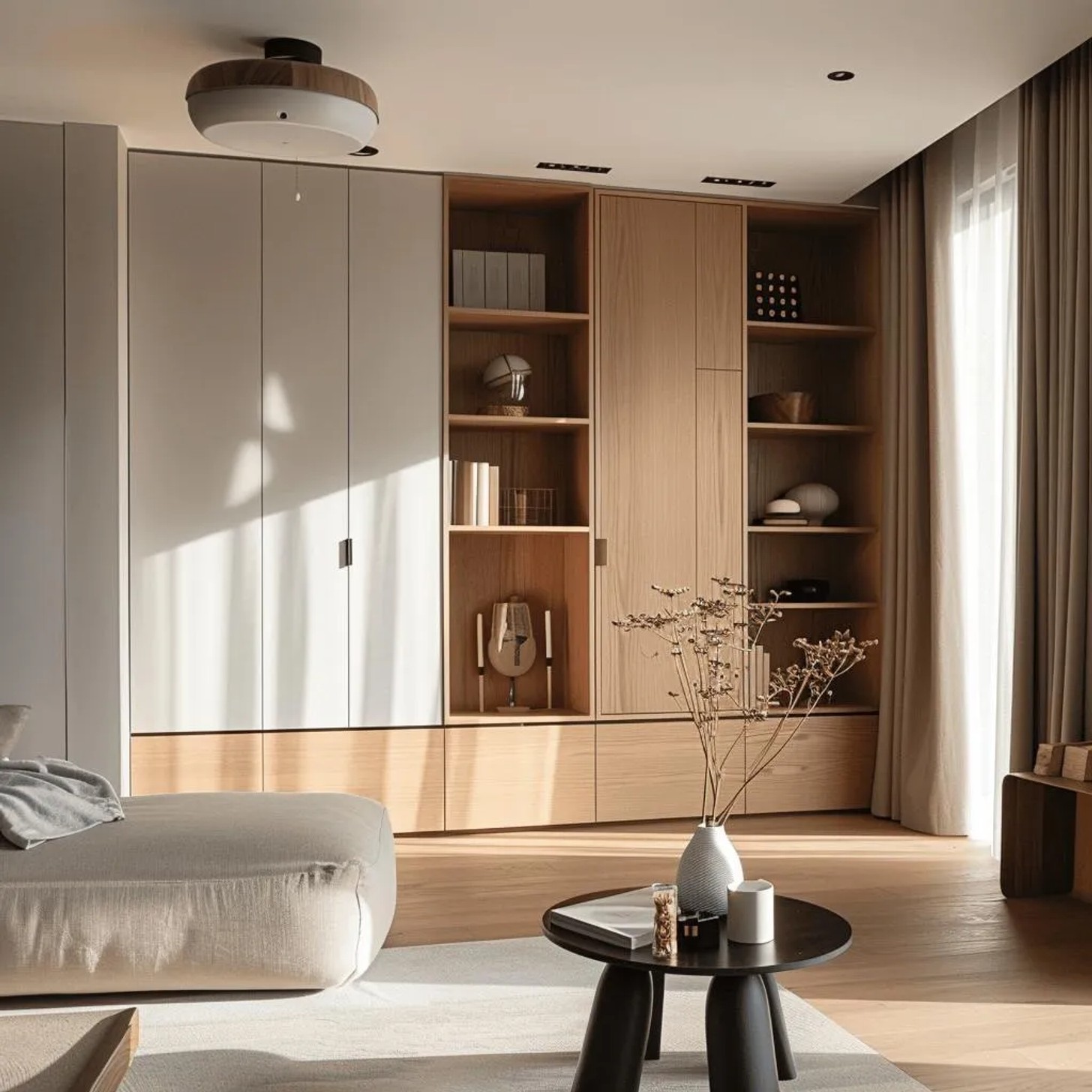
Cosy should never be confused with cluttered. While layered interiors feel welcoming, excessive visual noise can have the opposite effect, increasing feelings of stress and overwhelm.
Successful cosy homes balance warmth with simplicity. Clever storage, carefully edited styling and thoughtfully arranged furniture allow rooms to feel collected rather than crowded, creating spaces that remain both practical and peaceful.
Designing for Everyday Rituals
Perhaps the greatest psychological benefit of a cosy home is how it supports daily rituals. A comfortable reading chair beside a window, a dining table that encourages lingering conversations, or a bedroom designed for uninterrupted rest all help transform everyday routines into meaningful moments. Rather than chasing perfection, these spaces prioritise comfort and usability, encouraging people to slow down and fully enjoy their homes.
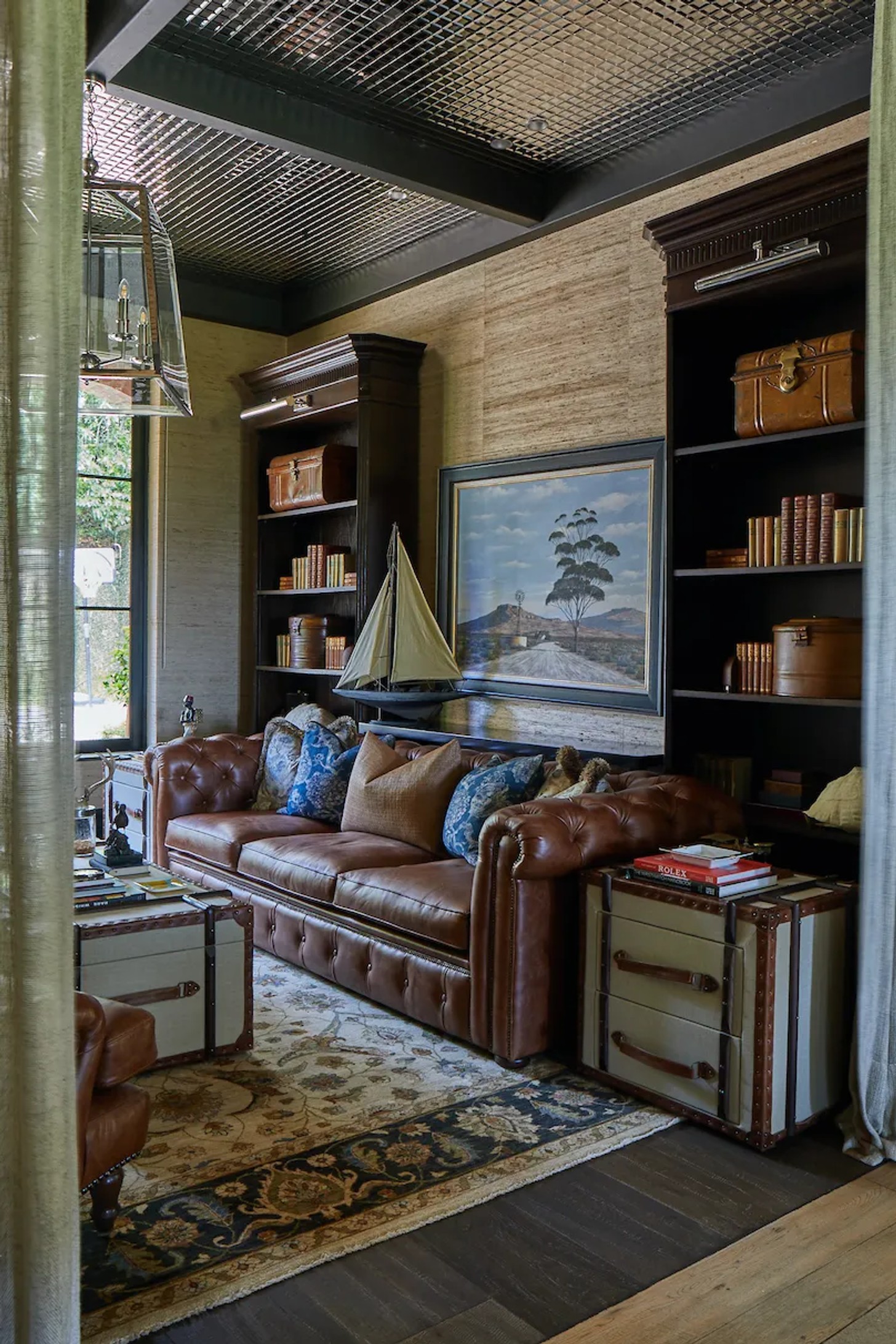
Ultimately, cosy interiors succeed because they place human experience at the centre of design. Through warm colours, tactile materials, layered lighting and personal touches, they create environments that support both emotional wellbeing and everyday life. In an increasingly fast-paced world, homes that offer comfort, calm and connection have never felt more valuable. True luxury is no longer measured solely by finishes or square metres, but by how completely a home allows us to relax, recharge and simply feel at ease.
Credits
Images: Pexels, Unsplash, Thibault Debaene, Pablo Enriquez, Greg Cox


