
There is something irresistibly theatrical about whimsigoth. Part gothic romance, part eclectic maximalism and part woodland fantasy, the aesthetic creates interiors that feel mysterious without becoming gloomy. Think jewel-toned walls, trailing plants, vintage furniture, ornate mirrors, patterned textiles and candlelight, all layered together to create a home with plenty of personality.
The term ‘whimsigoth’ has roots in the visual language of the 1990s, but its recent resurgence has brought the look firmly into contemporary interiors. Rather than recreating a gothic period room, today's interpretation is considerably more relaxed. It is about mixing the dramatic with the playful, allowing darker colours and ornate details to sit alongside natural textures, unusual objects and plenty of greenery.

Start With A Moody Colour Palette
Colour is perhaps the quickest way to establish a whimsigoth atmosphere. Instead of relying exclusively on black, consider deep, saturated shades such as aubergine, forest green, oxblood, midnight blue, chocolate brown and smoky plum.
These colours can be used across walls, cabinetry or upholstery for a more immersive effect. If painting an entire room feels too dramatic, introduce the palette through a velvet sofa, patterned curtains, a richly coloured rug or a collection of artworks.
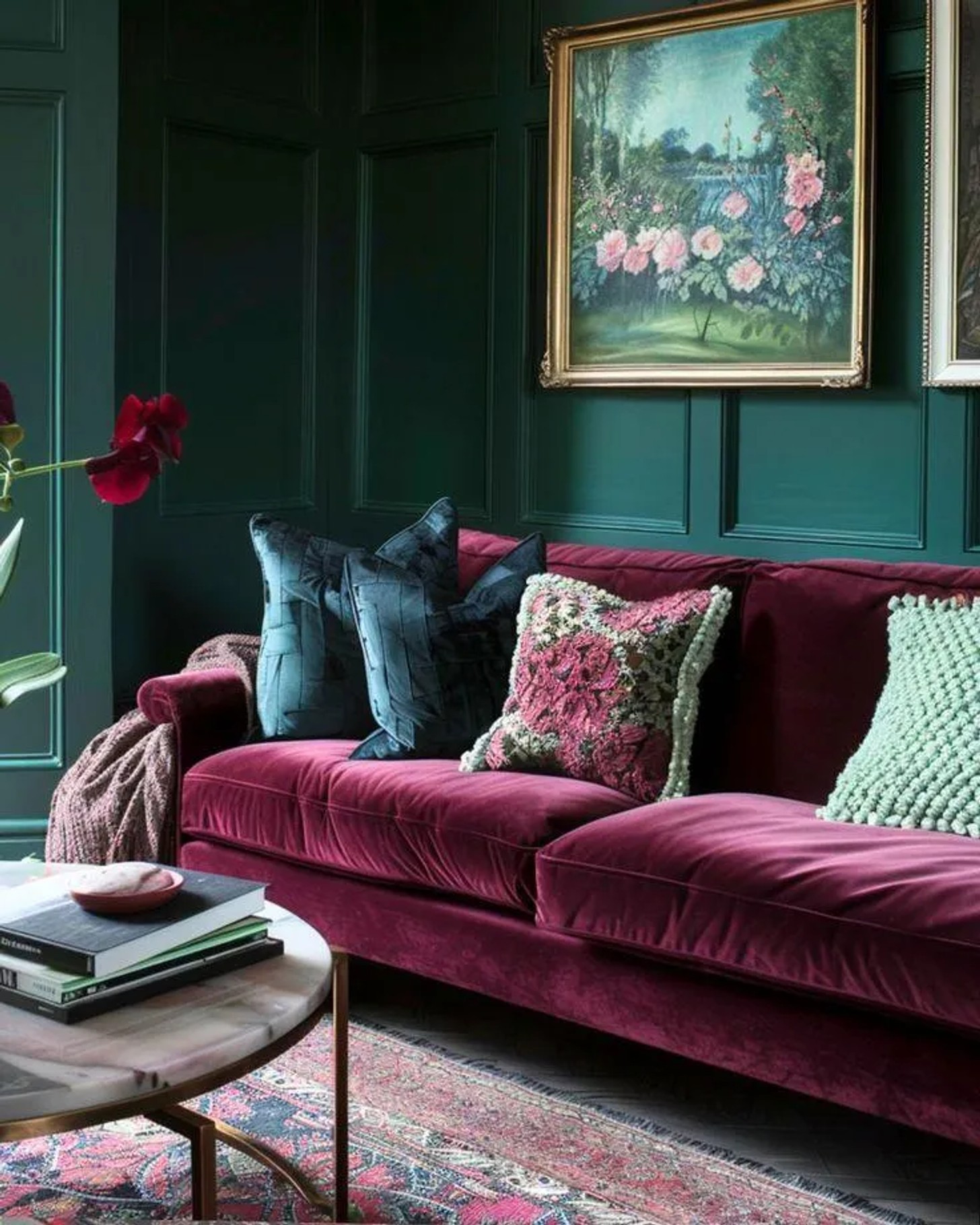
For a softer take, balance darker shades with warm neutrals and natural timber. The contrast prevents the room from feeling flat while retaining the enveloping quality that makes the style so appealing.
Layer Velvet, Pattern And Texture
Whimsigoth interiors are all about tactile richness. Velvet is an obvious choice, but it does not need to dominate. A velvet cushion, upholstered chair or pair of curtains can introduce just enough softness and sheen.
Then build around it with contrasting textures: distressed timber, aged brass, woven baskets, ceramic vessels, embroidered fabrics and patterned rugs. Botanical, floral and paisley motifs work particularly well, adding a romantic quality without making the room feel overly formal.
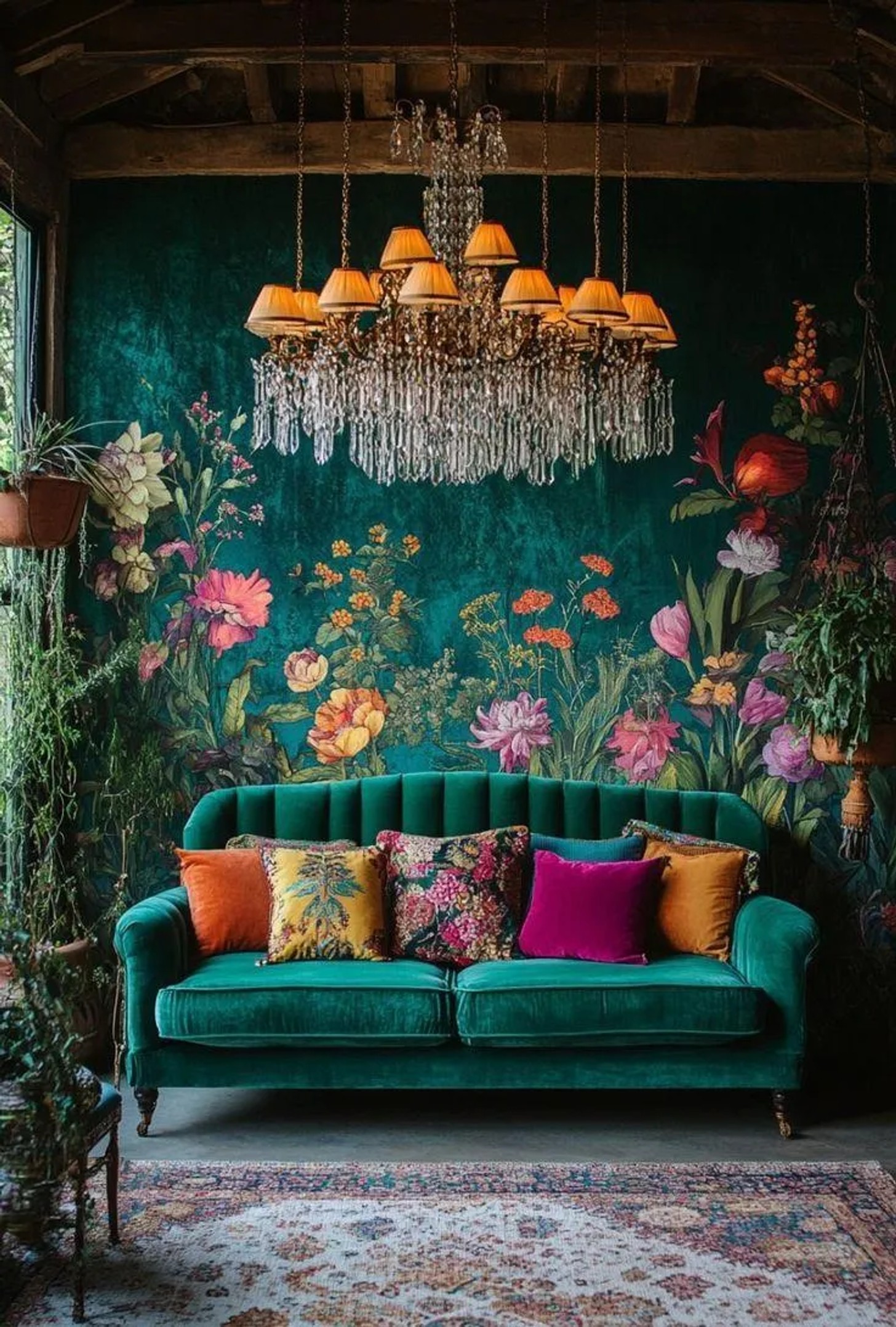
The key is layering rather than matching. A whimsigoth interior should feel as though it has accumulated gradually, with each object contributing another part of the story.
Mix Old And New
Vintage furniture is central to the aesthetic, but there is no need to furnish an entire room with antiques. In fact, combining older pieces with contemporary furniture can make the look feel considerably fresher.
Try placing a modern sofa beside an antique side table, or pairing a sculptural contemporary lamp with an ornate mirror. Second-hand shops, antique markets and family heirlooms can all provide pieces with the patina and individuality that suit the style.
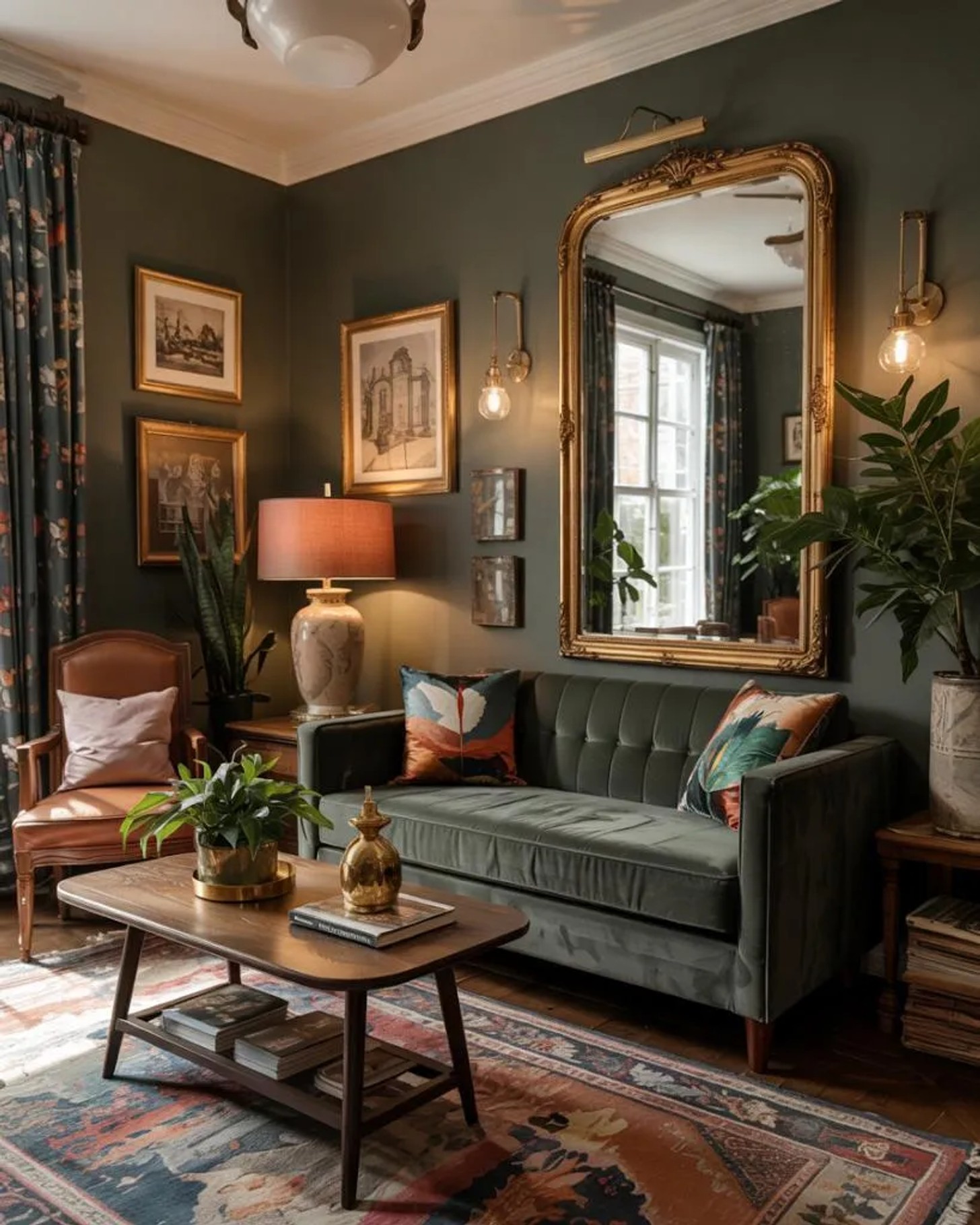
Imperfection is welcome here. Scratches, faded finishes and signs of age add character rather than detracting from the overall scheme.
Bring The Outdoors In
Plants are one of the easiest ways to soften a dark interior and add the slightly enchanted quality associated with whimsigoth. Trailing plants, ferns, palms and climbing varieties work particularly well, especially when displayed in ceramic pots, aged planters or hanging vessels.
Botanical references can extend beyond living plants, too. Look for botanical prints, floral wallpapers, nature-inspired artwork and objects featuring leaves, birds or insects.
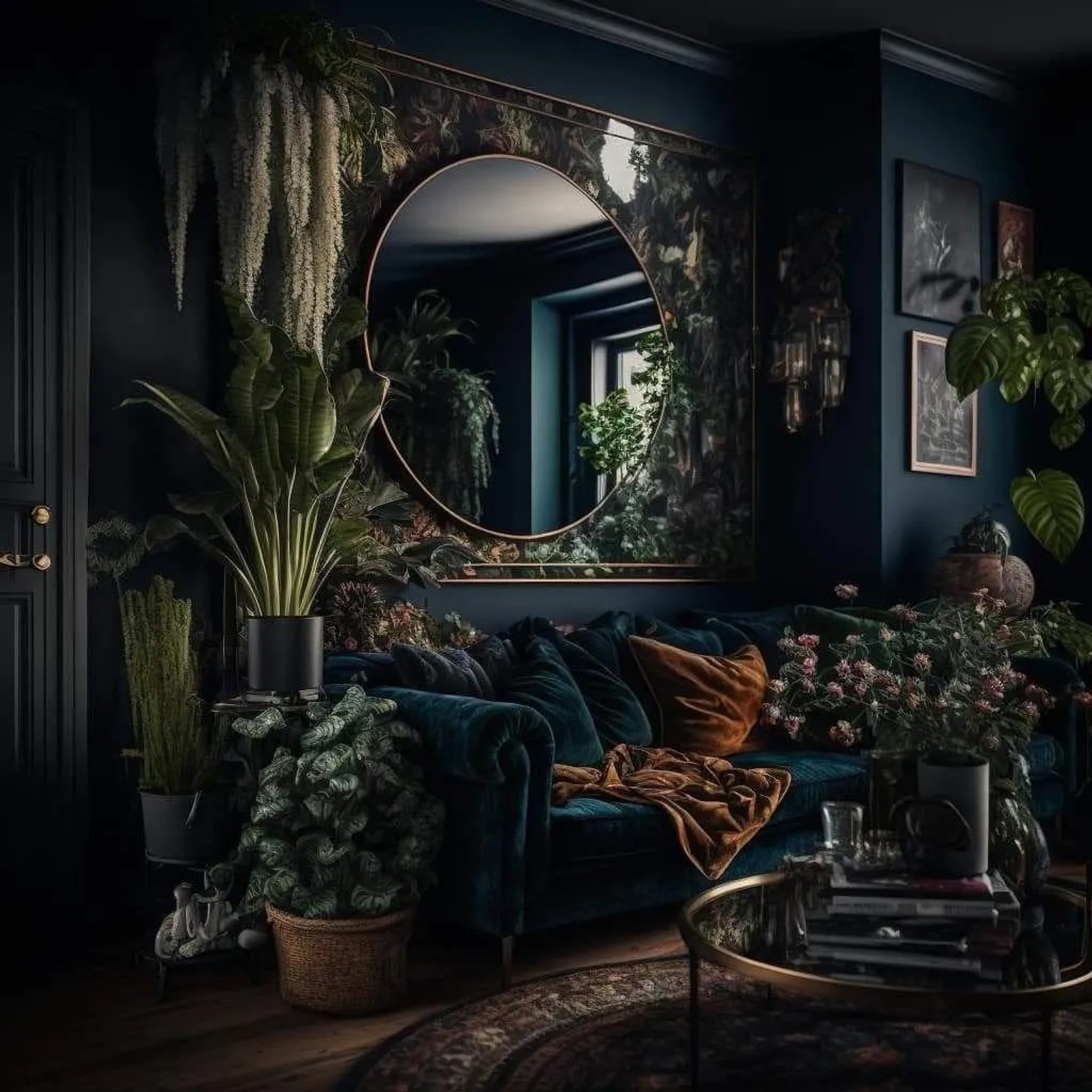
This combination of dark interiors and abundant greenery creates the sense of a secret garden – one of the most charming aspects of the aesthetic.
Make Room For The Unexpected
Perhaps the most important rule of whimsigoth is that there should be no rigid rulebook. The style works best when it reflects the interests and personality of the person living there.
An unusual sculpture, eccentric lamp, collection of old books or dramatic piece of artwork can become the detail that gives a room its individuality. Candles, antique-style picture frames and decorative objects can add atmosphere, but they should feel collected rather than carefully staged.
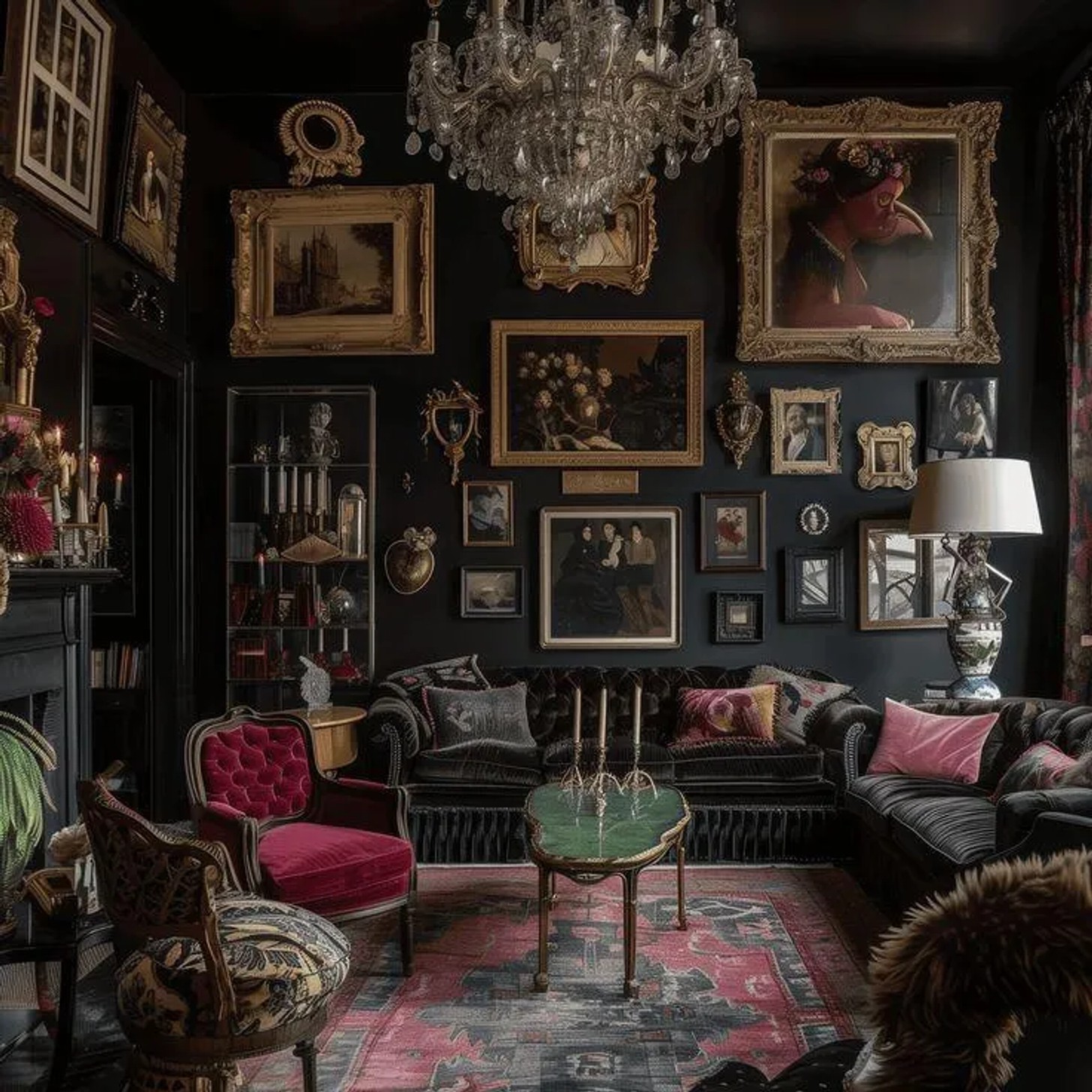
Ultimately, whimsigoth is less about creating a perfectly themed interior and more about embracing the pleasure of decorating with things you love. Darker colours provide the mood, vintage pieces supply history, plants bring life and unexpected details provide the magic. The result is an interior that feels wonderfully personal – and perhaps just a little bit otherworldly.
Credits
Images: Pexels


