
For years, ceilings have been little more than a blank canvas — painted white, forgotten and largely overlooked. Yet designers have long argued that the ceiling is the room's "fifth wall", deserving just as much attention as the floors, furniture and walls below it.
Now, decorative ceilings are making a confident return. Whether through rich paint colours, architectural mouldings, timber detailing or wallpaper, homeowners are increasingly looking upwards to introduce character, warmth and visual drama. Rather than simply enclosing a room, ceilings are becoming an integral part of the overall design story.

Colour Is Moving Upwards
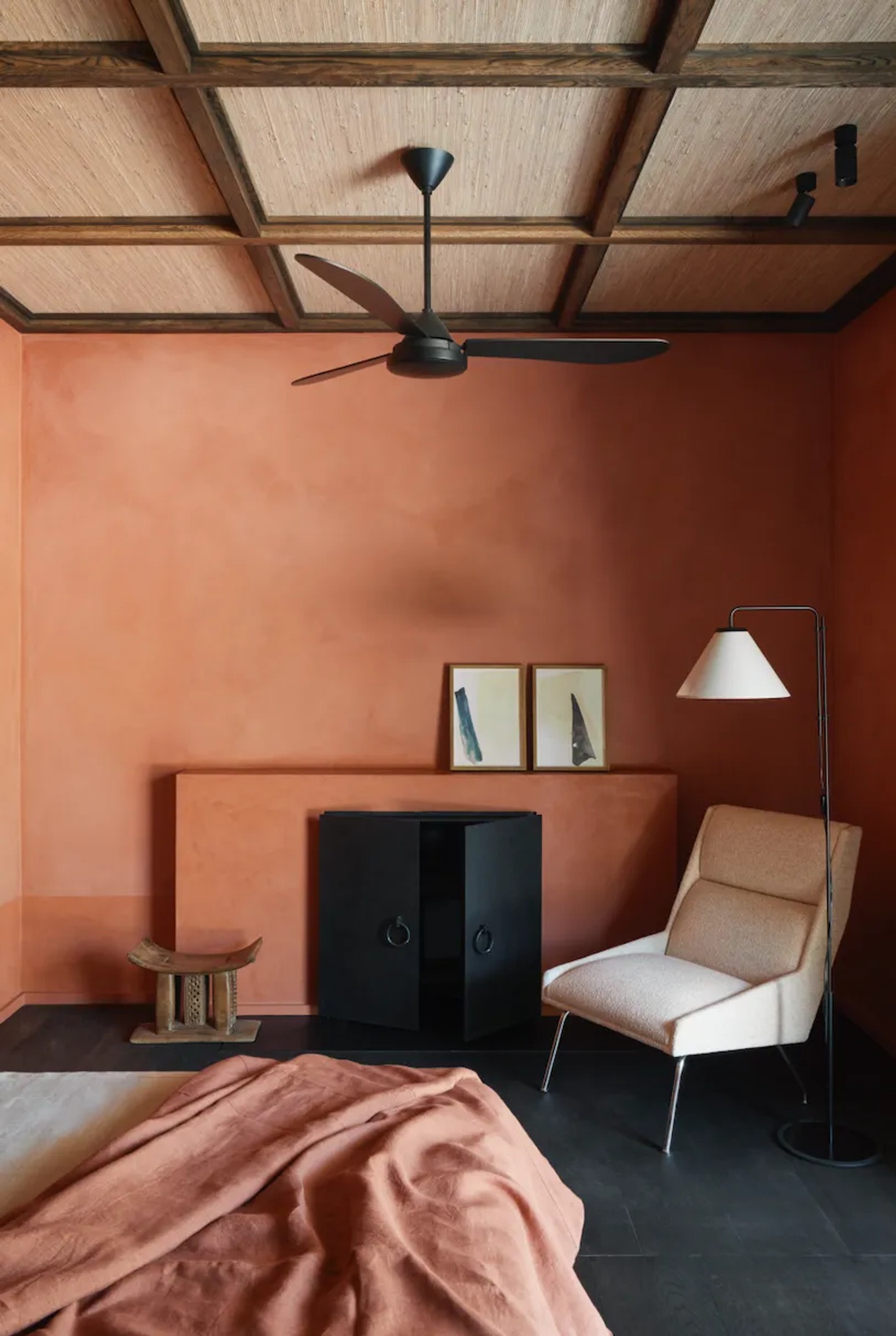
One of the easiest ways to transform a room is by extending colour beyond the walls. Soft earth tones, muted greens, inky blues and warm terracottas are increasingly appearing overhead, adding depth while creating a cocooning atmosphere.
In spaces with generous natural light, darker ceilings can make a room feel intimate without becoming oppressive. Conversely, pale tones that subtly contrast with wall colours add interest while maintaining an airy feel. Instead of defaulting to brilliant white, designers are using ceilings to reinforce the mood of an interior.
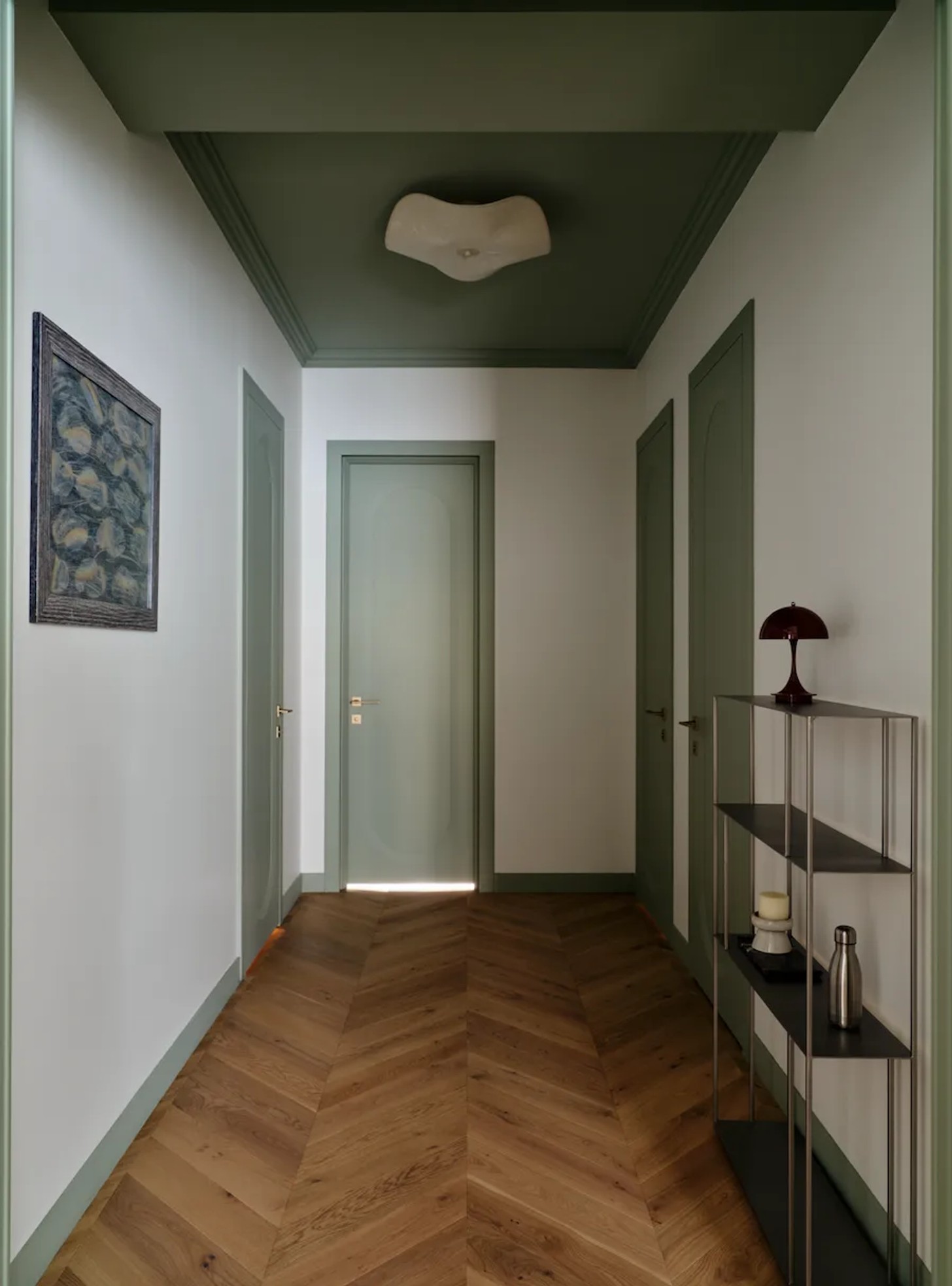
Architectural Details Are Back
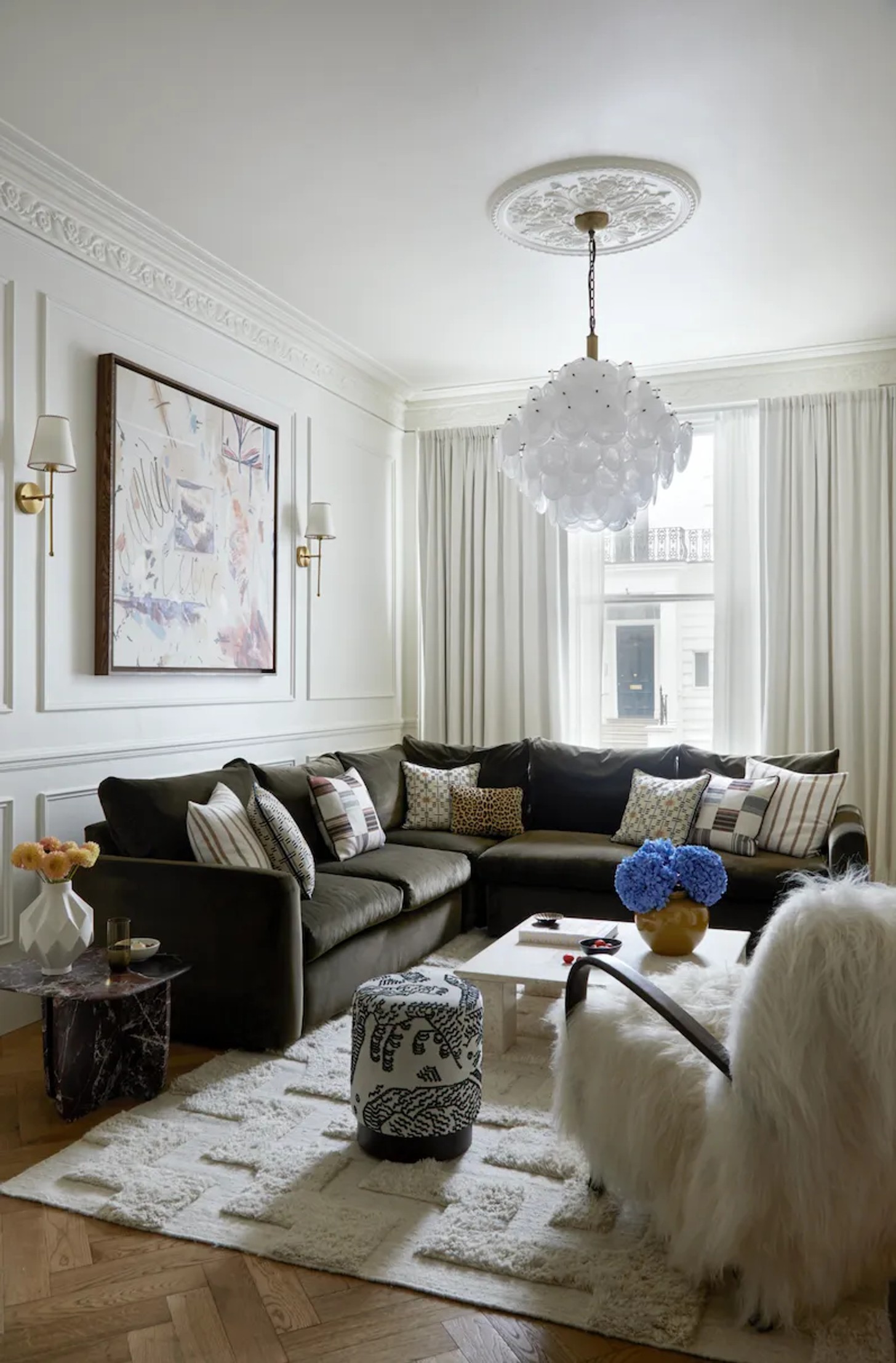
Traditional detailing is also enjoying renewed appreciation. Coffered ceilings, decorative cornices, ceiling roses and subtle panelling are finding their way into both contemporary renovations and newly built homes.
Rather than feeling old-fashioned, these architectural features introduce craftsmanship and permanence. Even in minimalist interiors, simple mouldings or shadow gaps can add texture and sophistication without overwhelming the overall design. It's proof that timeless detailing can sit comfortably alongside modern furniture and clean-lined architecture.
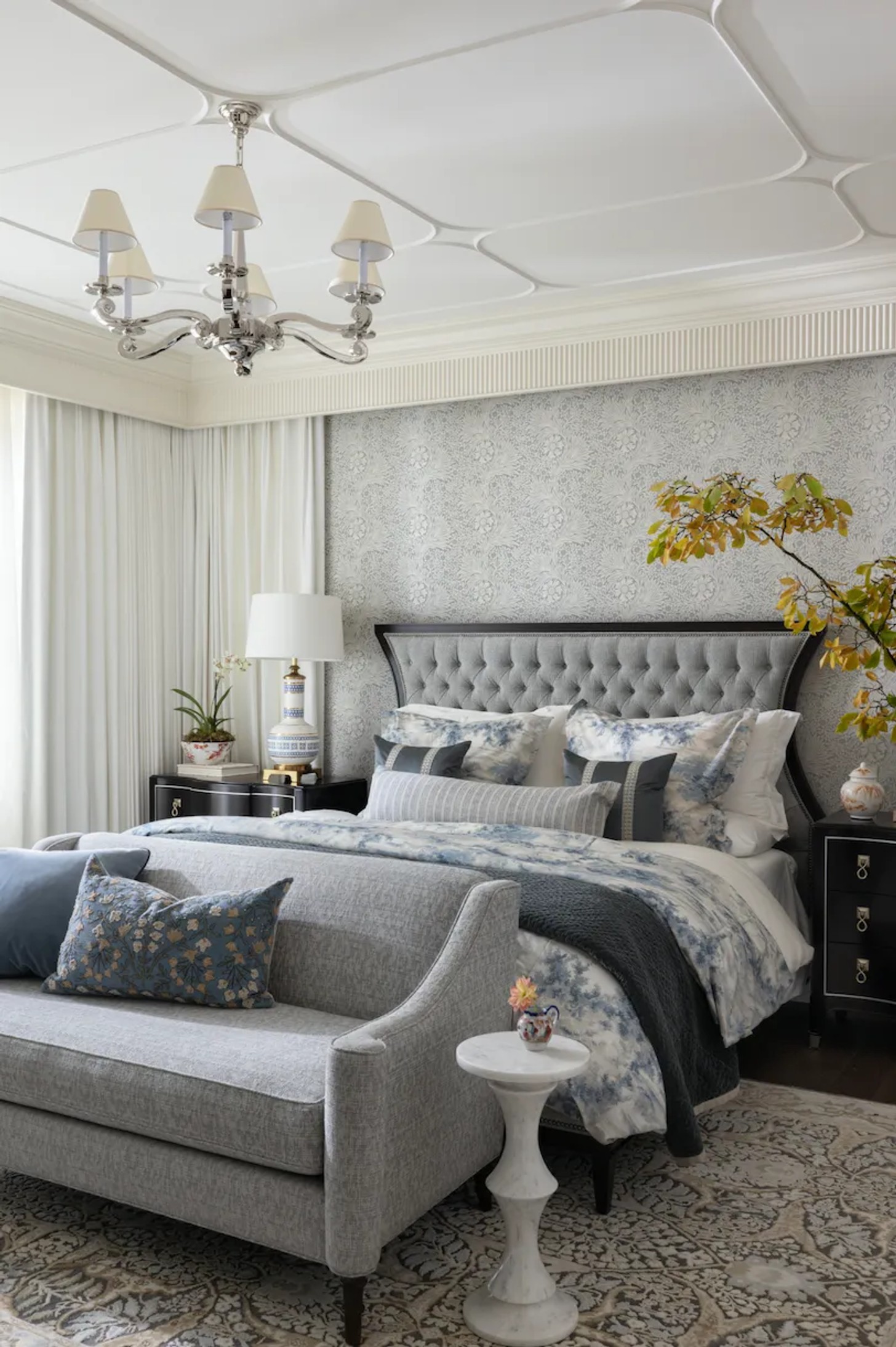
Timber Adds Warmth And Texture
Natural timber continues to be one of the most desirable materials in contemporary interiors, and ceilings are no exception. Exposed beams, slatted timber ceilings and oak-lined panels introduce warmth while softening large open-plan spaces.
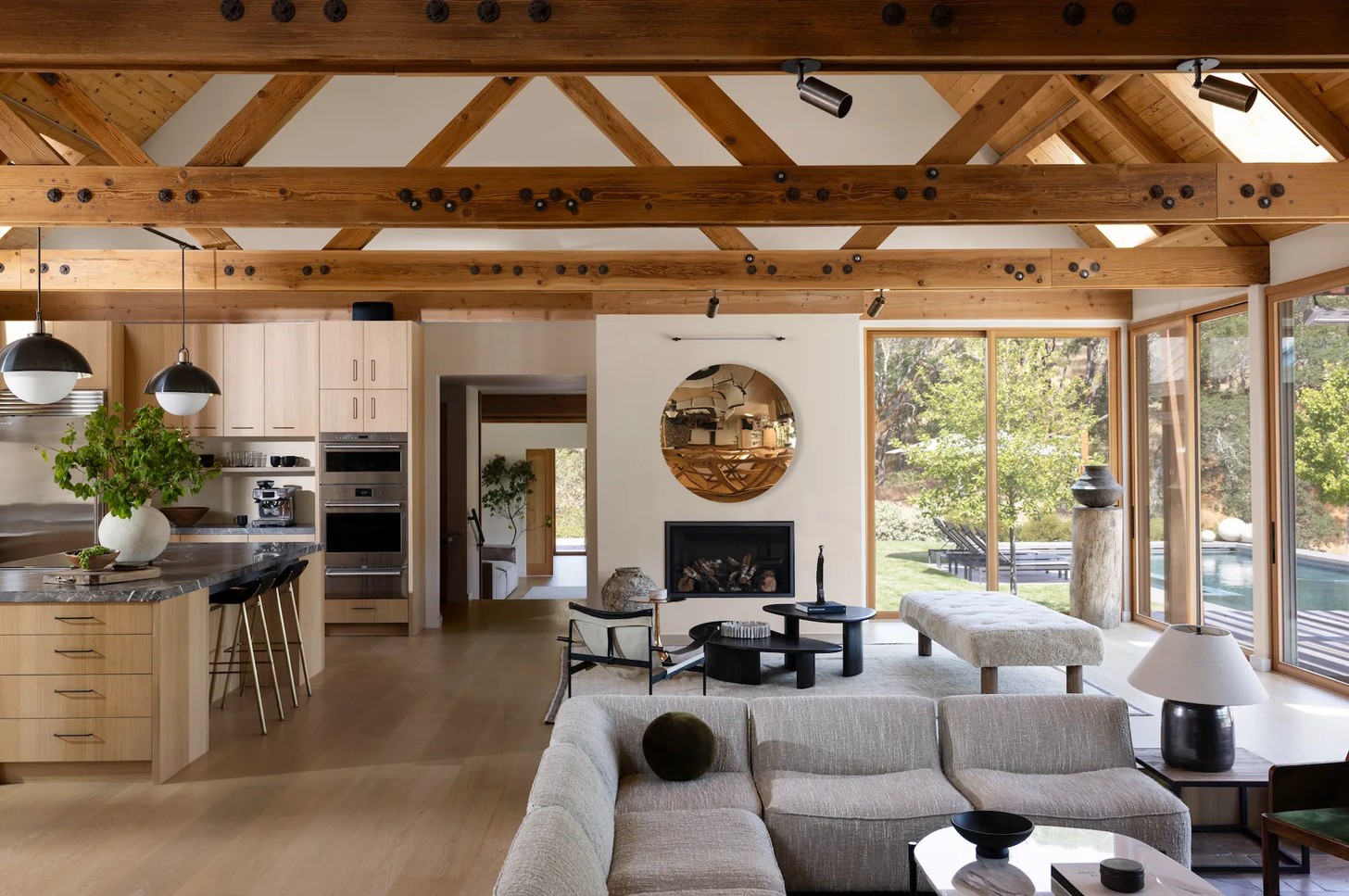
In homes overlooking mountains, bushveld or coastline, timber ceilings also strengthen the connection between architecture and the surrounding landscape, creating interiors that feel grounded and inviting. Whether left natural or stained in deeper tones, timber immediately elevates the atmosphere of a room.
Wallpaper Isn't Just For Walls
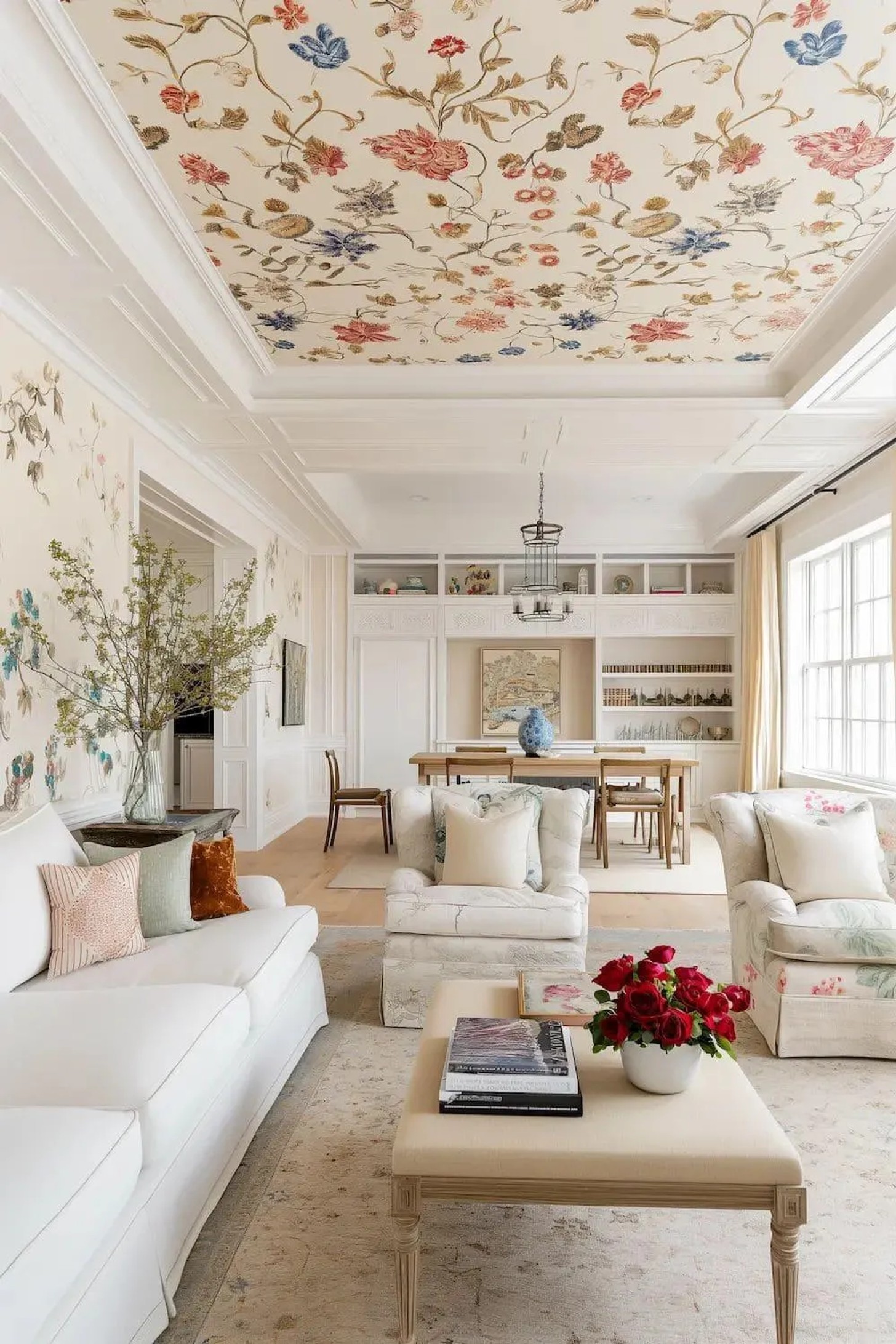
Wallpaper on the ceiling might once have seemed unconventional, but today's designers are embracing it as an opportunity to introduce subtle pattern and texture.
Botanical prints, delicate geometrics and hand-painted motifs work particularly well in powder rooms, bedrooms and formal dining spaces, where the ceiling becomes an unexpected focal point. Applied thoughtfully, wallpaper overhead can make even relatively simple rooms feel layered and bespoke. The key is choosing designs that complement rather than compete with the rest of the interior.
Lighting Becomes Part Of The Ceiling
Decorative ceilings don't exist in isolation. Carefully considered lighting enhances every architectural detail, highlighting texture while creating atmosphere after dark.
Recessed lighting, concealed LED strips, sculptural pendants and statement chandeliers all interact with the ceiling itself, turning it into a dramatic backdrop rather than simply a surface that supports a light fitting. Thoughtful lighting design ensures decorative ceilings remain visually striking at every time of day.
Every Room Deserves A Feature
While living rooms often receive the most attention, decorative ceilings can have an even greater impact in smaller spaces. Powder rooms, entrance halls, studies and bedrooms provide opportunities to experiment with colour, texture or detailing on a more intimate scale.
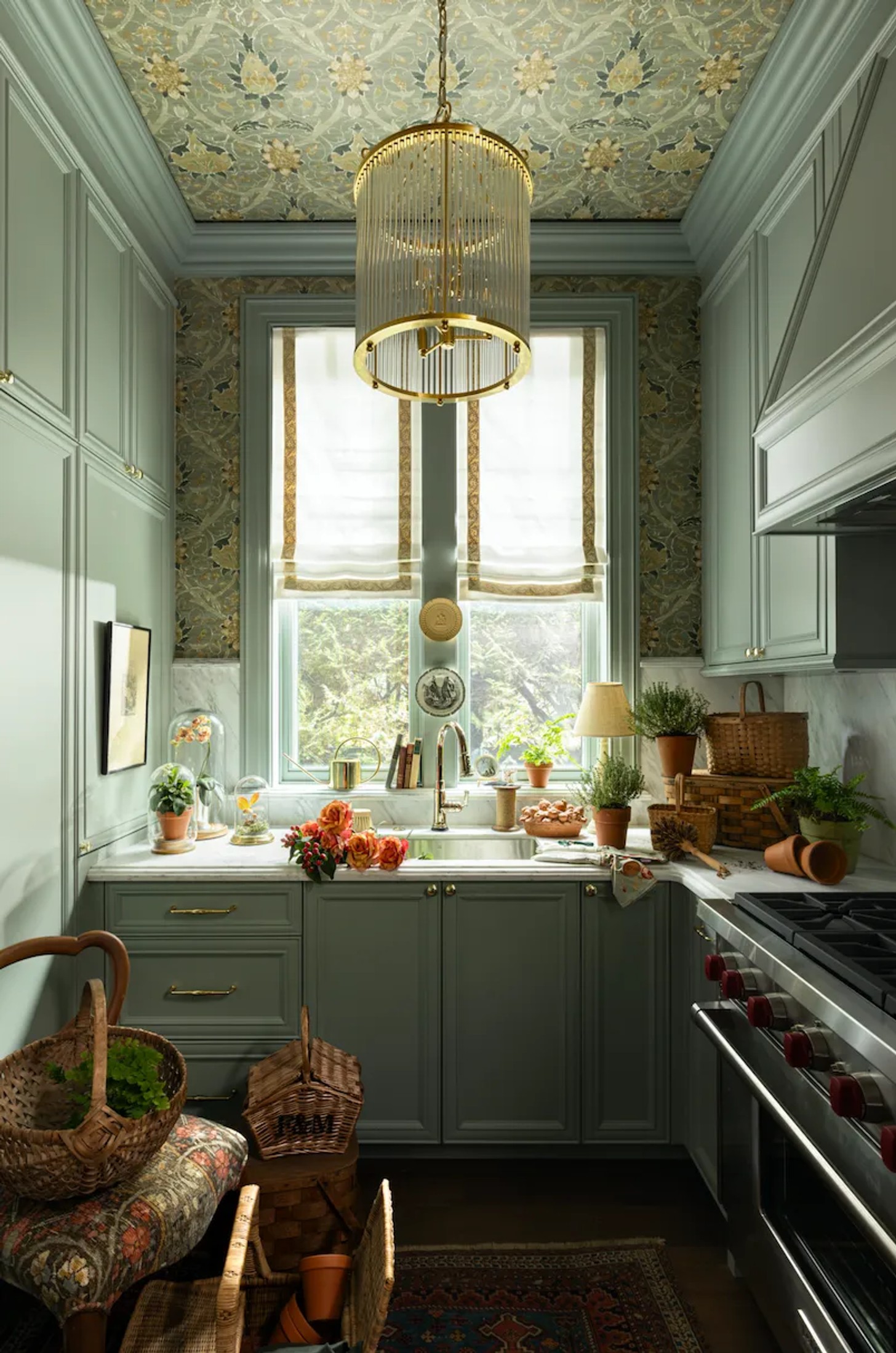
A painted ceiling in a reading nook or timber panelling above a dining table instantly creates a sense of occasion without requiring an extensive renovation. Sometimes it's these smaller moments that leave the strongest impression.
Looking Up
The renewed focus on ceilings reflects a broader shift towards more considered interiors. Rather than decorating individual elements in isolation, designers are creating cohesive spaces where every surface contributes to the overall experience.
Whether through colour, craftsmanship, natural materials or carefully integrated lighting, the fifth wall is finally being recognised for its design potential. And as more homeowners look beyond the obvious, decorative ceilings are proving that great interiors are about seeing every opportunity — including the one right above your head.
Credits
Images: Douglas Friedman, Damir Otegen, Ema Peter Photography, Bess Friday, Arne Bru Haug, Anna Stathaki, Adrien Dirand


